The growing good of the world is partly dependent on unhistoric acts.
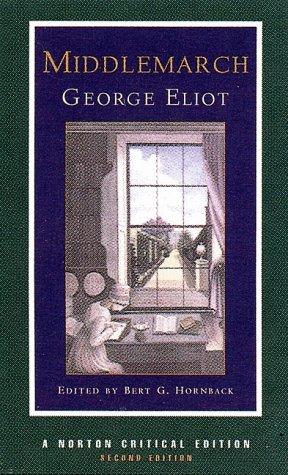
The DYEL boys finally finished George Eliot’s Middlemarch and finally answered the question of what this thing is about. At least we think we did: A 900-page long cope on being mid.
Updated Website: We unveil the new Do You Even Lit website: doyouevenlit.com. It now has searchable tags by theme, book, and thinker and a breakdown of our most biggest obsessions: Christianity, David Foster Wallace, signalling, death, David Foster Wallace, and the sexual revolution.
Thwarted ambitions: Nobody seems to achieve what they set out to: Dorothea, Lydgate, Casaubon, even Bulstrode. We ask whether Eliot is simply describing reality or arguing against ambition.
Ordinary goodness: Related to the above, we unpack the famous final paragraph. Rich wonders if it’s all just cope. And points out how it seems at odds with the real life of George Eliot, aka “Mary K”, aka Mary-Ann Evans.
shiny new website
Rich: We don’t have much time. Should we start?
Cam: Yeah, let’s start.
Benny: Let’s do it. Why don’t we have much time?
Cam: Because it’s like a time for Rich.
Benny: Oh, shit.
Rich: No, I guess we’ve got time. All right.
Benny: Let’s faff about a bit more, then.
Rich: Okay, so here’s what we’re going to do. I would like to announce something. I’m gay.
So, okay — and also, Do You Even Lit has a new website, a special website that I made, called doyouevenlit.com. So just to let the listener know, we now have full transcripts for every episode.
And don’t open it up in your browser, don’t look — because no, listener, you can. But you boys cannot, because we’re going to play a game, and for the purposes of this game it works best if you guys have not looked at the website. So do not open it up. Look at me. Look at me. Okay?
Cam: I’m closing it.
Benny: Cam, keep those hands in view.
Cam: All right.
Rich: Okay, so we’ve got full transcripts, and also, with the help of my good buddy Claude, made some fun extra features. You can filter our whole back catalogue by the ideas that we’ve talked about. So any time that we’ve substantively discussed some concept or theme, you can go to that page and you can see all the references to the episode. You click on the episode and it will take you to the relevant part of the excerpt, exactly where we talked about it. And the ideas page on the website itself has a little counter, so you can see what sort of themes tend to come up repeatedly.
And so my first challenge for you boys is, I want you to try and guess the five topics that have come up the most in the history of book club so far. You can just throw them out — you don’t have to get them perfectly, but give me some guesses.
Cam: You first, Benny. Signalling is number one.
Rich: Ding ding ding, very good. It’s not number one, but it’s in the top five.
Cam: We stopped ever since Vaden complained about how often we talked about it.
Rich: Yeah, much to Vaden’s chagrin.
Benny: Now we’re self-conscious about it.
Epistemology, I think, we do end up talking about.
Rich: Yes, but I don’t have a tag for that.
Cam: I don’t know what it’d be tagged as, but something around Infinite Jest themes. I feel like I bring that up every other episode.
Rich: No — but hold that thought for later.
Cam: Yeah, that’s for the books.
Benny: Maybe something around death of the author. Like, should we interpret this independently of the author’s wishes?
Rich: Death of the author has seven references, but it’s not in the top five.
Cam: There’s kind of been a death of the death of the author. I bet you that’s all early eps. The author lives now.
Rich: There’s a word in “death of the author” that might have a few more hits on it.
Cam: Death.
Rich: Yeah, that came up every single time. Death is second equal with 11 hits. So you’ve got death and signalling both on 11.
Cam: It’s something to do with knowledge and infinity, right? No.
Rich: Yep, you might not get the tag. I’ll give you this one, actually — progress is one of them, which I use as a catch-all for Luddite, Ludditism, and its inverse, I suppose.
Cam: Christianity.
Rich: Christianity is number one. Fifteen. Head and shoulders above the pack.
Cam: Two Dostoevskys.
Rich: Yep. I know, I was surprised by that too, but it’s come up in The Razor’s Edge repeatedly. Ubik, The Fall, Hamlet, Piranesi, Crime and Punishment three times, The Moviegoer, The Odyssey twice when we did our comparative religion thing, Anna Karenina, James Joyce, Moby Dick. So it’s almost like one in four episodes we have a reasonably substantial discussion of Christianity. I was surprised too.
Benny: Wow. Also, we’re almost at 70 episodes, which is crazy. Good for us.
Rich: You know what number this one’s going to be?
Benny: 69, baby.
Cam: Nice.
Rich: Nice.
Benny: I can see it in your eyes.
Cam: So is Christianity off limits this episode?
Rich: Well, we should give the others a chance, I reckon, to catch up. But you’re missing one. Come on, think about it. Think about what we’ve done recently.
Benny: The sexual revolution.
Cam: Oh yeah. And incels.
Rich: Yes. I’ve just put it under gender politics as a catch-all.
Cam: Culture wars.
Rich: Yeah, that was in Atomised, Norwegian Wood, Anna Karenina, Brief Interviews — that came up a bunch. And To the Lighthouse. Effective altruism is high up there. Nihilism is high up there. Consequentialism, meaning making, conservatism, postmodernism and translation. That’s the top ten.
Cam: Does it make us look boring, that we talk about the same things every time? Keeps coming up.
Rich: Oh, there’s heaps of tags in here. There’s heaps of stuff.
Benny: Can we look yet? Can I look?
Rich: No, not yet. Hold up.
Benny: Damn it.
Rich: All right, next bonus question. How many times have I tried to impose a homosexual reading onto the text?
Cam: At least twice.
Benny: Raw number or percentage of times?
Rich: Just raw number. How many times?
Cam: I’ll go three. I think a couple of times you have held yourself back.
Rich: Three is correct. And can you name the episodes?
Cam: No.
Rich: What are our gayest episodes?
Cam: The Razor’s Edge. Maybe.
Rich: Actually no, that was a fleeting mention.
Cam: Well, I wasn’t going to count this one, but — Cathedrals.
Rich: Yep, Cathedrals is one.
Cam: The one before that.
Benny: Moby Dick.
Rich: Moby Dick, nice.
Cam: Moby Dick, yeah. It’s in the name, innit.
Rich: And—
Cam: Frankenstein, maybe.
Rich: Dr Jekyll and Mr Hyde.
Cam: Oh, Jekyll. Yeah, no, that was the main one. Frankenstein, no.
Rich: Frankenstein, no. So we’re not very queer. We’ve got to queer this sucker up.
Okay, so next cool feature. You can also sort all of our backlog by substantive discussion of people, whether they are authors themselves or public figures or philosophers. So, same question for you guys. The number one and two spots should be an absolute layup for you guys, so come on, who have you got for one and two?
Cam: David Deutsch, the scientist-physicist, and David Foster Wallace.
Benny: And David Deutsch the philosopher.
Rich: The two Davids. Yep, yep, yep.
Cam: Yeah, easy.
Rich: Absolutely head and shoulders. David Foster Wallace, 30 substantive mentions. David Deutsch, 18. So, head and shoulders. You want to try and round out the top five? Just throw a few guesses out.
Cam: Nietzsche.
Rich: He’s up there, he’s top ten, but not top five.
Benny: Really? Even though we haven’t read anything by him, I’m surprised.
Rich: Yeah, but we love to quote him pretending that we have.
Cam: It’s like that meme — you’ve seen that meme, where someone says, “Nietzsche speaks of this,” and then the other guy’s like, “Have you read any Nietzsche?” “No.”
Rich: I was so disappointed when I started The Gay Science. I’ve never recovered.
Cam: Do the authors of the books count, or are you kind of excluding those?
Rich: No, they can. Yeah.
Cam: Dostoevsky, man.
Rich: Yeah, very good. Number three.
I’ll give you one more. Popper has come up surprisingly often and substantively. He’s number four.
Cam: Oh yeah.
Rich: So we’ve got David Foster Wallace, David Deutsch, Dostoevsky and Popper.
Cam: Is it an author, or someone else? Someone we’ve read?
Rich: Someone we’ve read, and sort of a canonical text for us, who keeps coming up a lot.
Cam: Oh, your boy, Rich.
Rich: No. Who’s my boy?
Cam: McCarthy?
Rich: No. Both up there, both in the top ten.
Cam: Your girl. Emily Wilson.
Rich: There’s not that many women on this list.
Oh, I’ll give it to you. It’s John Williams. We keep talking about John Williams.
Cam: Oh yeah, of course. Who I thought of during this section.
Benny: Does it count if we just talk about Stoner? Does that count as a reference to John Williams? Because I know we talk about Stoner the book a lot, but I feel like we don’t actually talk about the author that often.
Rich: Yeah, I know. I should audit Claude on this, because I don’t feel like we’ve substantively discussed John Williams’s ideas, put it that way.
Cam: I don’t even think I— I forgot what his name was.
Rich: We’ve done two of his books, actually, so it’s not so surprising.
Benny: Is it about to be three? I don’t know.
Cam: We’ll find out.
Rich: Interesting. Bonus question: how many times have we talked about Aella, and thus given her more attention that I resent her for seeking out?
Cam: Yeah, that should be right up there.
Benny: Pretty often, probably. I bet you between five and ten times.
Cam: Well, given the sexual revolution came up lots, I think we use her as a kind of microcosm.
Rich: What’s your over-under, Benny?
Benny: Well, I’ll just go seven.
Cam: Yeah, somewhere in between my body count and her body count, I think.
Rich: Cam, do you want the over or the under?
Cam: So is this different episodes? I’ll go under. Under seven — surely not seven. Four or five.
Rich: Four times. Four substantive discussions, and a further five fleeting mentions. So you’re kind of both right. And now she’s getting another one, I guess. So she’s going to be cracking double digits there.
Cam: Another one. Do you remember when we were at the tennis, the Australian Open, Rich? And there was some random stranger in front of us, on Twitter, and he’s just looking at — Aella, I think he’s reading an Aella tweet.
Rich: Uh, yeah. Can’t escape her anywhere.
Cam: Yeah, just watching her suck off gnomes and shit at the tennis.
Rich: Okay, good work boys. And one last question. So another thing is, you can also just do a regular global search by keyword. So you want to find not just substantive discussion but just any mentions. So on that basis, how many times do you reckon David Foster Wallace has come up?
Benny: I say over 30.
Rich: The answer is 50 times. Can that be right? I’m doubting my own numbers here.
Benny: Can it be multiple per episode?
Rich: No, this is per episode.
Benny: Wow. Probably because in the preamble Cam is just like, “I’m reading Infinite Jest though.”
Rich: He’s come up and—
Cam: Well, the backstory is, this is how we started the book club, right?
Rich: Yeah, yeah. He’s always lurking.
Benny: It must be actually weird for the audience, because they’ve never heard us actually analyse Infinite Jest, but it lives on strongly in our memories. Because, yeah, it’s the first book we did.
Cam: Benny, who does analyse it 50 times, mate?
Benny: Yeah. But that’s what I mean. That must be weird, right?
Cam: Who is this guy?
Rich: I assume all of our audience has read Infinite Jest as well.
Benny: Sure.
Rich: Anyway, the website’s up, so go have a look. DoYouEvenLit.com, spelt the normal way. Just to let you know, from here on in, all the transcripts are up, and within 24 hours or so, when there’s a new episode, you’ll be able to have a look at the transcript. And over to you, Cam. What are we talking about this week?
Cam: Yeah, so this week—
Benny: Okay, sorry, you just have to give me two minutes before we start. It’s morning for me. I’ve got to take one of my five quick shits.
Rich: Okay.
Benny: All right, let’s bang the sucker up.
Rich: Anyway, the site is now live at doyouevenlit.com, spelt the normal way — doyouevenlit.com. So go check it out. And now over to you, Cam. What are we talking about this week?
Bulstrode scandal and Lydgate’s innocence
Cam: Well, now we are on our third episode of Middlemarch. So hopefully you have joined along for the first two episodes. And we’re doing essentially the final third of the book, so I think books seven and eight, if I’m not mistaken — chapter 60 onwards, into the finale. Benny is going to delve into every detail of the plot for us.
So, Benny, do you want to— I thought we’d start with, well, okay. One little opener: book seven was called “Two Temptations,” and I know it’s probably been a while since you guys have read book seven, but I just want to check — what were the main temptations? Because I feel like there were a few temptations lurking around this book. If we can go back that far, guys.
Rich: Don’t spring a question like that on us.
Cam: Yeah, sorry.
Benny: Yeah, that’s crazy, dude. I don’t—
Rich: You tell us. You tell us what the two temptations were.
Cam: Well, I prepared this. So one of them was when Lydgate goes into the — it’s not a casino, but he’s going to the place, he’s sort of doing some drugs and he’s gambling. So I think he’s— was he not doing a bit of opium?
Benny: I don’t know if he’s doing drugs.
Rich: But didn’t we talk about that last time?
Benny: Yeah, I mentioned it. I think near the end of what happened last time, I mentioned it in reference to Farebrother, who sort of goes and checks in on him.
Rich: Farebrother was a bro.
Cam: And I think one of the other main — probably the big main temptation that it was referencing — was our friend Bulstrode, the bad guy, who I think was very tempted to let one of his problems resolve itself.
Benny: That’s a good way to put it.
Cam: We could start talking about Lydgate, but probably start with the setting, with the Bulstrode scandal. Benny, do you want to take us through a really quick take on that?
Benny: Yeah. So I had mentioned Raffles last time, I think, right? He’s this guy who showed up from Bulstrode’s past, and he knows Bulstrode’s secret, which we again talked about last time — that Bulstrode sort of fell into his money.
Cam: Yeah, what was the secret?
Benny: Illicitly.
Rich: I’m, like, having PTSD. Are you seriously — your opening question is “tell us about the fucking Bulstrode scandal” again? What a hack.
Benny: But Raffles comes back and he’s sick. And long story short, Bulstrode — I would say he doesn’t go out of his way to help him recover, and is sort of in charge of looking after him. And Lydgate sort of realises this a little too late, and also gets drawn into the scandal himself. So Lydgate is obviously the town doctor.
Cam: I mean, Bulstrode kind of lets him die, essentially. We view him as culpable. So essentially, I think Lydgate’s advice — Raffles is very sick, and he says, I think the prescription was a little bit of opium, and then absolutely nothing to drink. He’s very clear on that. And then Bulstrode lets the housekeeper or something just sort of doesn’t tell her.
Benny: The nurse, yeah.
Cam: And he knows she’s going to give him alcohol.
Benny: Or too much opium. But the thing is, it is a little more ambiguous than “he just lets him die,” or even “pushes him towards death,” right? It is sort of like, would he have died anyway? Probably. Or at least maybe. Or at least you can convince yourself of that. But there is definitely a moment when he realises, okay, she thinks that she should give him opium all night.
Cam: The other ambiguity is Lydgate’s responsibility in the whole matter. Because Bulstrode gives Lydgate the money, the loan, to cover all his debts that he’s just been panicking about with Rosamond. And it’s not like a bribe to be quiet, but that’s sort of the subtext, right? Was I reading that right? He realises that Bulstrode maybe—
Oh no, Richard, Richard was so—
Benny: Oh, shit. This is going to be tough.
Cam: I was just going to say, Richard left out of disgruntlement, man.
Rich: I got bored as soon as you started trying to explain the plot again.
Cam: What they’re talking about, what happened in the book. So today we’re going to talk about Middlemarch.
Rich: I want to talk about ideas. Ideas.
Cam: I want to talk about David Foster Wallace and David Deutsch.
Rich: Oh, ding ding. Two new mentions. Nice.
Cam: And signalling.
I wonder if I can get through and just throw out the DFW — bypass the bandpass filter.
Rich: I believe in you.
Oh, I should have tracked how many times you’ve referenced Harry Potter. Actually, I’m going to check right now. I need to know.
Cam: That’ll be a good one. That’ll be up there, surely.
Benny: I don’t think it’s that high.
Cam: More than Aella, surely.
Benny: No.
Cam: I hope, for my children’s sake, I hope it’s more than 12 times.
Rich: Yep. Twelve times you’ve brought up Harry Potter, in 12 of our episodes. Well, Benny and I don’t, do we?
Benny: Can you check which speaker brought it up?
Cam: Now, you probably bring it up more than I do, Rich, by trying to dunk on me.
Rich: Oh, do you want me to go line by line through each thing?
Cam: No, no, let’s move on.
Benny: All right, well, ixnay on the plot summary, because Rich is going to throw a temper tantrum.
Cam: Well, we were talking about Bulstrode’s and Lydgate’s culpability. Was Lydgate culpable at all? Because eventually he gets the town’s eye directed towards him and he becomes an outcast, and he feels bad. Dorothea believes in him. Part of me felt like he was a little bit, I don’t know, aware of what was happening. Like, he’s been paid this money, and he has some suspicions around Raffles’ death, and I think he kind of chooses not to focus on it, maybe partly because of the money.
Benny: Yeah, interesting. I actually read it as him being basically innocent. So he had asked Bulstrode for the money earlier, Bulstrode says no, and then Lydgate gets brought in to look after Raffles. Then Bulstrode all of a sudden is like, you know what, here’s the thousand. And from Bulstrode’s perspective this is a very clever move, obviously, to try and get Lydgate on his team and ensure that he sort of owes him one.
But my understanding of Lydgate is, yeah, almost the opposite of yours. I think he just didn’t read the situation well, sort of didn’t think about it, and was just so relieved at being given the money finally that he took it. And only afterwards, once people in the town started talking — that perhaps Bulstrode had paid him off and Lydgate had been in the know — did he sort of realise that he had made this huge mistake, and started castigating himself for it. But I think in the moment, he was innocent.
Cam: There’s the little scene when all the crowd is realising Bulstrode’s past — well, that was just a cool scene anyway, just everyone realising all at once at the town hall sort of thing. But I like the little detail when Lydgate looks after Bulstrode. Bulstrode’s feeling ill in that scene, and then the guy has to kind of look after his arm or something and take him away, and that represents, you know, here’s Lydgate supporting Bulstrode. And that’s the whole reason this whole scandal happens, that he’s kind of in the pocket of Bulstrode. It was a nice little detail, I thought.
I think you’re right, I think he’s mainly innocent. Dorothea believes in him and her friends believe him. But I thought there’s maybe a small element of this, which is why he’s feeling a little bit uneasy with it.
Benny: I don’t know, but I mean, he just leaves instructions for what to do with Raffles overnight and then comes back the next morning to find that—
Cam: I think it’s after the fact. It’s not after the fact he’s died, it’s like he’s got suspicions that something untoward maybe happened that he’s not going to talk about.
Benny: Yeah, I don’t know. Lydgate’s my boy, so I’m not going to turn on him like that. I think he’s a good guy.
Lydgate, a failure?
Cam: That was my other question around Lydgate as well. Do we view him positively? I did wonder about one reading of him maybe being a failure of a sort. And it probably fits into one of the themes of the book as well, around greatness and ordinariness. So what do you think, Benny? I know you’ve been attached to him.
Benny: I’m quite positive about him. Again, I think he’s mostly just naive. So I view him as having fallen into debt because of his naivety, and just having general expectations of how someone of his station should live. I don’t view it as sort of knowingly going in over his head or anything. And I view him being involved in Raffles’ death in the same way. So it’s just a result of almost social incompetence. And we even saw that social incontinence on display when it came to flirting with Rosamond and being engaged with her in the first place, right?
So this is this guy. He has high ideals. He comes from a good family. He shows up in Middlemarch to do the right thing. And ultimately his heart is in the right place. He just perhaps doesn’t think through the consequences of his actions and gets himself into these binds. But I don’t think he’s doing anything maliciously. That’s my read of him.
And I think that the church scene is a good microcosm for him, right? Where he feels compelled. So Bulstrode is feeling ill in church — this is after, I guess, everyone has realised about the shadiness of his past. But Lydgate feels that his duty as a doctor requires that he help escort Bulstrode safely out of the church. And as he’s doing this, he’s realising, man, this really doesn’t look good for my image, but he doesn’t see a way out of it, because he feels obligated by his profession to sort of help this elderly man. And it’s like too little too late, sort of like, oh man, I probably shouldn’t have sat next to him. I shouldn’t have put myself in this position in the first place, but now I’m in this position, I feel obliged to act in a specific way. And I view him — yeah, that’s basically characteristic of him throughout the entire novel, in my view.
Cam: Yeah, it wasn’t so much whether he was malicious, more whether he was, in the end, I don’t know, coming up short of his ideals.
Rich: Yeah, he definitely failed by his own lights. He didn’t do the great cutting-edge research that he wanted to do. I don’t think he’s a moral failure, for the same reasons as Benny. But he definitely came up short.
And man, I didn’t realise he was going to get such a downer ending. For some reason I thought it would just come together, and he’d either divorce Rosamond or they would reconcile. But no, he just has a miserable marriage to a woman who doesn’t like him, and probably vice versa.
Benny: And then he dies early. Dies by 50 or something. Hair never gets white.
Rich: And he hasn’t done his great work. And he calls his wife his basil plant — the plant which flourished wonderfully on a murdered man’s brains. And Rosamond’s completely unbothered by his death, and just marries some other wealthy rich doctor.
Cam: I mean, he does end up doing all right. It said he gets a respectable job and earns well. They have the life that Rosamond was wanting, in terms of the financial income, and I think he’s probably a respected physician.
Rich: Yeah, I mean, failed by his own lights, or his younger self’s lights.
Cam: Yeah, no, I agree. I mean, at risk of referencing him for our 23rd time, it did remind me a bit of John Williams’s Stoner. It’s hard not to see the parallels, right? He sort of marries badly, he’s very passive about this marriage, he’s too weak to get his way with the finances and stuff like that. And I mean, he has potentially compromised on his principles by taking Bulstrode’s money — he kind of doesn’t want to do that, but he does that. And he didn’t become great. That was what he wanted to do, he wanted to revolutionise medicine. I mean, he probably did help at the margin, it sounds like, within Middlemarch’s hospital process and stuff. But yeah, he wasn’t the sort of great man. And I did feel like the book was sympathetic to that — he’s more of an ordinary good life, and that’s fine and that’s good.
Rich: Yeah, definitely. That’s the big — last time, Benny, you asked us what the theme of the book was, and I don’t think we had a very good idea. But now, having seen the arcs through to completion, it’s pretty clear that it’s about people’s great ambitions being thwarted across the board. Having all these idealistic dreams of what you’re going to achieve, and then being bogged down in the mire of social life, and things not going the way that you thought, and just ending up with a fairly mediocre outcome. Which is what we’re going to talk about for every character, basically. And Lydgate’s is the cleanest-cut example of that. And it totally reminds me of Stoner, it’s the same thing.
Emphasise on Middle
Cam: So it’s kind of like going from your 20s to your 30s.
Benny: Yeah. I mean, I think this is stupid that I didn’t realise this before, but I think the title is telling us in some sense what the book is about — like, Middlemarch. I think it’s sort of the middle of these people’s lives. It’s sort of mid-transition from the idealism of youth, and then we sort of follow them. And we don’t follow them to the end — we only really learn about the end right at the end of the book. But the core of the book is centred on the middle of their lives, as the idealism of youth is crashing into the social realities around them, that just constrain things in such a way that the outcomes almost feel beyond their control. Like, okay, none of this is working out how anyone anticipated.
Rich: Yeah, it’s quite sad. It made me feel like — that’s why I said before we’re recording — it’s like a midlife crisis kind of a book, where it makes you realise how things, if you are of a certain age at least, how things aren’t going to go the way that you thought they were. Or it reminds you of that if you’ve already come to that realisation yourself.
And then one of my open questions with this book is whether it’s anti-ambition and kind of preaching how there is a good, noble life to be had in just behaving in small pro-social ways — and we’re going to talk about the big quote at the end of the book later on — or is it just a mercilessly realist book that just describes reality, and that this is just how things tend to be.
By the way, Lydgate’s ending bummed me out, because he’s the guy that I relate to the most in the end. And yeah, it did not happen for him, and he didn’t really do anything wrong. He’s just a bit naive, as you say, Benny. If it weren’t for his bitch wife—
Cam: God, unlucky with love. That’s the problem. This book is just about having a dumb bitch wife ruining your life.
Benny: Just like Stoner.
I mean, do you think he’s at fault at all for Rosamond’s behaviour? Do you think he could have done things differently and gotten her on his team more?
Rich: Yeah, but he fucked it up already.
Cam: Yeah, he’s too passive.
Rich: Yeah, although we never get to see— it’s kind of unfair. We get this whole huge book about this transition period, like you say, Benny — the middle part — and we don’t get to see. We just get this tiny little epilogue of what happened. So it’s hard to know what Lydgate’s internal experience of that period of his life was, and it could be that it was great. I kind of like that she did that, though, and we’re just left questioning how he felt about his own state of affairs.
But there’s a good chance he’s oblivious to it, because there was that money quote quite early on about how men tend to be worked upon by their society and lose their great ideas and so on, but then they don’t even remember, after a certain point in time, how they originally felt and what they originally intended. And so they lose sight of that. He’s making that observation, and he knows he’s going to lose sight of that very observation after a certain point in time, because you just get caught up in your life.
Benny: Yeah, that’s true. Maybe diving too much into his psychology at the end would have ruined it for us. He might have been happier than we expect that he was, given that we saw him in his young ambition.
Rich: I mean, he does say that his wife flourishes on a murdered man’s brain, so he’s describing himself as dead. So I don’t know if the outlook is great. But it could also just be a bit of black humour, I suppose.
Is this book anti-ambition?
Benny: It’s an interesting question whether the book is actually anti-ambition. I mean, certainly it is trying to promote the idea that these sort of small everyday acts are highly important to both you living a good life, but also in helping your community flourish. But whether it’s actually telling you that that’s all you should do is actually not something I had considered.
So Lydgate, I guess, had ambitions and had them thwarted. Bulstrode had ambitions, had them thwarted.
Rich: Why is that word so hard to say?
Benny: Yeah, I know, I’m struggling over here.
Rich: I shouldn’t have introduced it to the conversation.
Benny: Thwarted. I know. You’re killing me.
Rich: Casaubon was the OG thwarted ambitions. He had his great book, which never saw the light of day. And maybe even the stress of that might have contributed to his own death, I think, of putting that burden upon himself.
Benny: He seems more at fault for his failure, because he sort of refused to learn German, refused to engage with what we’re led to believe was the actual leading science of the day. So yeah, I have less pity for Casaubon.
Cam: Yeah, but I think it’s a pretty unsympathetic look at — even, what was the name of the work? The Key to All Mythologies, right? Is that this great, almost satirical name of this thing, like your ultimate ambition, right? And he’s just terrible at it, and he’s kind of like a fraud.
There’s also Dorothea, which we’ll get into in more detail, but when we’re first introduced to her she seems incredibly ambitious, and then I think is more okay with ordinariness. I would say the book is pro-ordinariness. There’s definitely a descriptive case, I think — like, this is a slice of provincial life and the connectedness of everybody, and they’re all flawed. But I think also it’s sympathetic to the idea that Lydgate just became a fine, successful physician, and that’s fine and good, and Dorothea sort of chose to do good and things like that, but nothing in this great man sense. It’s almost like the key anti-Nietzschean book.
Rich: Oh, ding ding, baby.
Benny: Yeah, let’s go.
Cam: Well, I did read that Nietzsche didn’t like George Eliot’s moral philosophy, and I’m probably extrapolating a little much. You know, I just keep thinking of that meme now. “Nietzsche talks of this.” “I haven’t read him.”
Rich: It’s funny to think of Nietzsche reading this book. Do you think he read Middlemarch?
Cam: Well, there’s not clear evidence that he read it, but he read and knew about George Eliot, and he wrote about George Eliot. And I think you can maybe project it onto this book. But I think what Nietzsche didn’t like about Eliot is, she renounced God and belief in God, but then continues to have this kind of imported Christian morality that we’ve talked about before, where the highest virtue in this book is kind of like sympathy and good deeds for people that are not well off. And ordinary goodness is celebrated in contrast to being a great person of history. And even Dorothea, I mean, she has all these instances of self-denial as well, where it’s like self-sacrifice in her marriage with Casaubon. And even that’s often portrayed rather sympathetically.
Benny, give us the rundown. You go, Rich.
Rich: Well, I won’t go through the plot, but basically—
Benny: Fuck you guys. I need the listeners to write in and tell me that they love my summaries. I’m feeling insecure.
Cam: It’s just going to go to zero. The ultimate amount of plot is zero.
Rich: I’m probably overcorrecting for last time, but I just can’t be bothered unweaving everything.
Benny: No, let’s hear it, bro. Let’s hear it. Let’s hear you do the entire summary. Ninety seconds, that’s all you’ve got.
Rich: Dorothea marries for love. She marries Will and forsakes her fortune from Casaubon.
Cam: So, quick question on that. Would a lawyer come in? Because it was in the codicil, or it was in Casaubon’s will—
Rich: Oh. Who cares.
Cam: Carry on, then. Can’t ask your fucking question. Jesus.
Benny: Rich doesn’t even care about the plot points any more.
Rich: Dude, we finished this big book, and I want to talk about the thwarted ambitions and stuff.
Cam: Just let it flow, mate. We’re getting there, mate. We’re talking about ambition, mate.
Benny: We were literally talking— I don’t know. Cam and I have been talking about that for 20 minutes, dude. Like, what are you talking about?
Cam: Mate, dropping Nietzsche. You’re lucky I didn’t say fucking Harry Potter when you were talking about the flash forward for a quick five minutes, seeing everyone married in the future.
Rich: Oh yeah, yeah, yeah. Albus Severus. Dorothea.
Benny: All right, we’ll get to it. What are all these themes you want to discuss that we haven’t touched on?
Rich: No, I just want to keep talking about the same one, which is that Dorothea was brilliant. She was special, she was one of a kind. And she becomes a devoted mother and wife, which is great. And it says:
Many who knew her thought it a pity that so substantive and rare a creature should have been absorbed into the life of another, and be only known in a certain circle as a wife and mother. But no one stated exactly what else that was in her power she ought rather to have done.
And we get this — I think this is possibly the final quote of the book, or at least it’s near the end, and it’s one that I highlighted and then realised later is very famous, apparently. Which is what we’ve been talking about, this contrast between the small mundane acts of goodness that we do in our lives versus the great man, great woman ambitions. So:
the effect of her being on those around her was incalculably diffusive: for the growing good of the world is partly dependent on unhistoric acts; and that things are not so ill with you and me as they might have been, is half owing to the number who lived faithfully a hidden life, and rest in unvisited tombs.
Which I think, Cam, you’re saying is pushing back against great man theory of history, and is very anti-Nietzschean. But I read it as more— well, I think that’s the right reading on the face of it, but to me it cuts against the textual evidence, where you have this wonderful woman who we have to think has got to be something of a stand-in for Mary-Kate herself, who is a great wife and mother, which is of course wonderful, but she wanted to do other things and she did not get to do them. And I think that’s sad, and I think the author is sad about it, and is in some ways condemning it — especially with that sort of little feminist bit in there about how no one said what exactly it was in her power that she ought rather to have done.
Because of being who she is, in her station, there’s just so many opportunities that weren’t afforded to her which are afforded to women these days. And, you know, I’m sure Mary-Kate would think for the better, because she’s a one-of-a-kind woman herself who actually is a great woman of history and has had this huge impact. She got to do that. And it’s interesting that she doesn’t allow that to happen for her character. But I can’t imagine that she’s saying “and that’s good.” To me, I read mourning into this. I read a sort of — it’s not like a horrible outcome, it’s just like a wistful “what could have been” outcome.
close reading of the final paragraph
Benny: That’s so funny. I had basically the opposite reading of this final paragraph in the book, the one you just read. But let’s honestly just go line by line. So, like, “her full nature—”
Cam: We’re going to lose again, man.
Benny: “—spent itself in channels which had no great name on the earth.” Okay, so her full nature did spend itself, right? The fact that we can’t recognise it, or that society didn’t know what to call it — I read this line as saying that’s sort of unimportant. But her nature did spend itself.
Okay, then the next line is, the effect of her being on those around her was diffusive, the growing good of the world is partly dependent on unhistoric acts, and things are not so ill with you and me as they might have been is half owing to people like her, basically.
Rich: Okay, so she’s hedging in there, though. She says “partly dependent” and “half owing.”
Benny: Right, I’m saying she’s part— But I read that as saying it’s no great tragedy that some people live modest lives and spend their nature making those around them happy and bolstering their communities in ways that won’t be remembered by history, but do have a huge impact on those around them day to day.
And so I’m not sure if it’s— I don’t think it’s saying that this is the only way to be good in the world. And this brings me back, I guess, to my point where I don’t view this as saying this is anti-striving, but I view this as like a defence of the little person.
Cam: Yeah, I agree. It’s like saying that it’s fine, that the same is okay and necessary. It’s necessary that some people do this, that you do the little good things. I wonder how much he came up with the kind of Jordan Peterson type thing about focusing on the small things and local people around you and stuff like that. But yeah, it’s not coming out as anti-ambition. I mean, just repeating what you said, essentially.
Rich: The anti-ambition question I had is more related to the textual stuff of just, the fact that no one gets what they wanted, so everyone’s ambitions are thwarted. That’s what I was wondering about in particular. Which fits in line with the reading that, and that’s fine, because we need the people living their faithful hidden lives doing lots of small amounts of good in the world.
But, okay, I agree — what’s jarring to me is that she’s talking about Dorothea in particular. Yes, it’s fine, that’s a dignified life that is available for almost everyone to live, and that most people hopefully will get to live. But we’re talking about someone who I think is really special here. Like, would we say that it’s equally good for insert-your-favourite-high-impact-person here? I would say Elon Musk, but that’s not a great example these days, perhaps. But for a great person of history, would it be just as good if they just sort of volunteered at the local soup kitchen and were a cheerful, friendly face in their community and so on? Obviously not. People should take big swings if they have the capabilities to do so.
I don’t know what the author thinks, but it’s just interesting to see how different her own biography is to her characters here, and how she slipped in the little criticisms about how Dorothea is barred in some ways from being able to take a swing at things. I mean, in lots of ways there’s very little latitude that she has, despite being wealthy and part of the landed gentry and so on. So having that context in your mind as well, that it’s pretty uncommon in this time period for women to be able to have that kind of success.
Cam: I did read it also as sympathetic towards Dorothea’s felt duties, whether they’re gendered or not, as well. It’s funny, I don’t necessarily view this as a hardcore feminist novel, even though it’s the best kind of novel written by a woman about a genius woman. But there’s kind of a lower-case-c conservatism in it. I think Dorothea in her 20s, she had these big ideas, but eventually, as you said, she becomes a mother. She is good to her neighbours. She is good to her friends. And that is good. That is a good life.
Yes, she has these constraints or these duties towards— it seemed like it was sympathetic to that. It’s not like Lydgate’s “it’s a great idea to solve the primal tissue” or something.
Benny: I mean, yeah, I guess what I’m struggling with is, it’s not exactly clear to me what ambition of Dorothea’s was thwarted. I cannot escape this word.
Rich: No, she does — remember, she has the housing scheme that she wants to implement for the tenants that she’s drawing up with Sir James at one point. That was one. And then the other great one was — okay, it’s somewhat subservient to Casaubon, but she wanted to be Casaubon’s intellectual companion and muse, and help him out with his research agenda. Which again is sad, because she couldn’t do that for herself, so she’s going for the next best thing, to use her beautiful big juicy brain, and she can’t do that either. And then think about why she couldn’t do that: it was because she had a proud, insecure husband who basically wouldn’t let her do that.
It’s funny, it doesn’t come across as a screaming feminist screed, but that’s probably just because we’ve been raised in too much BuzzFeed-style feminism, which is as subtle as a brick in the face, right? But this is nice. If you think about — we talked about Rosamond last time, how she’s so unsympathetic, and yet she’s been treated quite badly, or she’s sort of doing the best within the things that are available to her. I think the same is true of Dorothea.
Cam: I’m not sure if that’s true of Rosamond, but carry on.
Rich: Yeah, well, I mean, my point is just that this last sentence, this whole thing, I think it’s kind of up for debate, which makes it fascinating, because there’s textual evidence that sort of goes the other way, I would say. And there’s biographical stuff that I’m perhaps projecting and disobeying the death of the author, but—
Cam: Ding. Drink.
Rich: Yeah, it’s certainly not a pro-ambition book. Let’s invert it and it makes it clearer. It’s not a pro-ambition book. Is it an anti-ambition book? Maybe, maybe not. But I’m comfortable saying that she’s not making a slam dunk case for that.
Cam: I imagine the way I’m going to think about Middlemarch going forward, almost like as a concept handle, is this kind of ordinary goodness is okay and necessary for a well-functioning society and a good life.
Rich: That’s what it’s like, very ambiguous. That quote is perfect for that concept handle, but I’m just not convinced that that quote actually summarises the true message of the book.
Benny: Wait, Rich, I’m a bit confused about your position now. So you’re saying the book is anti-ambition, but yet you seem to be lamenting the fact that Dorothea is ambitious and doesn’t have any of those ambitions fulfilled. And you’re saying, like, from the book’s perspective, that’s bad. Square these for me. Because that would seem to suggest it’s pro-ambition, and it’s just sad that she couldn’t fulfil any of them.
Rich: You’re right, actually. I think it’s probably neither pro nor— I think it’s mostly just a realistic depiction of what happens to ambitious people. And then I think there are elements of mourning for people who were unable to achieve their ambition, for whatever reason, be it because of their social position, or chance, stroke of bad luck, or gender politics, or whatever.
And then there’s also this like very warm, gentle — I don’t want to say cope, but, what would you say — reassurance, for people that, hey, you know what, you didn’t make it, but you’re still really making the world better in your own little way. The sort of authorial voice just extending out and saying that in this sort of quite maternal way. So it’s all of that stuff together. So yeah, I reject my anti-ambition. It’s not an anti-ambition book, you’re right.
Cam: The other factor as well is, what Dorothea chose was kind of love, and like a husband and kids. That was her big decision and ordeal. And yeah, I know it’s not completely divorced from, like, “why can’t you have both” sort of thing. But that is often true of great people, right? Like, you either throw everything into it and you don’t have this normal life, or you get lucky and your family just deals with it. But, you know, a lot of people’s wives and kids and their families — there’s a lot to sacrifice for the great people of history, right. And some might want to make that call of not doing that, and that’s okay. Which — I mean, I take your point that we don’t want all the great people making that call.
Rich: Can I give a little bit more biographical stuff on George Eliot here as well? Because I think she sacrificed in exactly that way that you’re talking about, Cam, to be great.
Also, I was calling her Mary-Kate. I meant to say Mary Ann Evans, sorry. We don’t hear as much about her twin sister.
Cam: It’s Ashley. Ashley Olsen.
Rich: So basically she rejected Christ and Christianity, and she was in a relationship with a man who was married to another woman but who couldn’t get divorced because of the norms at the time. And it massively tanked her social opportunities and the amount of respect, I suppose, that she was given in this society — the kind of society that you see depicted here. And yeah, she just lived as a bit of a — I don’t know if she’s a pariah exactly, but she was very much on the fringes of all of this society, in which people are very interested in each other’s business, who is being the most upstanding citizen in accordance with social norms at the time.
And I’m guessing that has a lot to do with why she was able to do great work, is because she’s a bit of a different person and not as bound by conformity and social pressures. Hence being one of the relatively few female authors to have a huge impact at that point in time. So she paid the price for that, like you say, Cam. And like Dorothea, or Will perhaps, arguably made the other choice, of choosing love at the price of their own big dream.
So, what do you guys think of Will’s outcome? Because he becomes a politician, a reform MP, I think, whereas he’s set up to be more of an intellectual — writes wonderful polemics and could be a talented writer or artist or something like that. So it feels kind of like settling as well, I think.
Benny: Yeah, it does feel like that. I agree. I mean, I think it seems like they both chose this relationship. But Will and Dorothea, I mean, they sort of chose the relationship over other ambitions they might have had in life. But I view that mostly as a free choice, right? It seems like they sort of both knew the consequences in some way.
And to bring it back to something you said earlier — you said Dorothea had these great ambitions for the housing around the hospital or something, I forget exactly what it was. And she would have been able to accomplish this had she not married Will and retained Casaubon’s finances. And then she could have easily been the Chettams’ financial backer or whatever. But she knowingly forwent this opportunity to marry Will. So I’m not sure if I view that as a great tragedy, more just one of those difficult decisions that you have to make in life.
Cam: As an aside, it’s funny that Chettam, right to the end, is really annoyed at Dorothea’s marriage with Will. And part of me just wondered, is that a little bit like — she rejected Chettam right at the start, right? He’s set up, and he’s like this great town bachelor, and she picks this old guy like Casaubon. He wasn’t a fan of that at the start, and some people were right with that. And then he dies, and then she chooses someone else. So she’s choosing two guys instead of him. And part of me wonders, is that sort of part of the subtext?
Rich: I also love the scene where Sir James and Will have to hang out in one another’s company after Sir James has been campaigning to drive them apart. And they’re just — imagine them sort of grunting and not really making eye contact.
Cam: I like the way it was described, because it does capture some social things, right? The only time they kind of hang out is when the partners are all there, and everyone kind of knows it, and they kind of make do.
Rich:
where women love each other, men learn to smother their mutual dislike
There is a meme about this, of girls’ groups getting together and all the husbands don’t have anything in common and just don’t particularly enjoy being there. Well, I haven’t actually really experienced that myself, I don’t think. I’ve always enjoyed getting along with the group.
Benny: You need to be more ambitious.
Rich: No, no, I’m trying to do good in many small ways that won’t be remembered by history, and George Eliot said that’s fine.
Benny: You’re trying to grease the wheels of your dinners.
Rich: But she said “I love that for you, babe.” So it feels patronising. It’s like, this bitch wrote the Guardian’s top book of all time — was it 20th century? No, no, it can’t be. Top English language book of all time. And will go down in history forever. And she’s like, “oh yeah, but you guys, you just focus on looking out for your community, and be a positive force in the world, and no one will remember your name, but that’s fine.”
Benny: That’s true. Plus there’s the whole issue of, is it a comfort to know that people will— even if you’re the kind of person where people will actually remember your name, how much of a comfort is that? They’ll probably have a distorted view of who you were, the kinds of things you’ve done. The kind of person you were will probably fade, and you’ll just have this sort of abstract name attached to ideas or various accomplishments or something.
Cam: Nietzsche speaks of this. I never read him.
I think Robin Hanson and Tyler Cowen have a disagreement on this. Hanson wants to be remembered, he wants to go down in history for his ideas, and Cowen’s just like, “I’m not going to be.” He partly reads many books, but he’s okay with that. And he’s like, you know, people can’t even remember John Maynard Keynes — or, well, he’s probably slightly more obscure. No, not Keynes. Okay, bad example. But, I don’t know, Paul Samuelson or something.
Rich: Wait, what? Yes, they can.
Benny: But like the average person— does the average person know who Keynes was? I don’t know.
Cam: Paul Samuelson or something. Yeah, the average person hasn’t. And then just slightly more, like Alfred Marshall, whatever, the economist of marginal revolution. You know, massive name that a lot of people don’t know. And he’s just like, they’re not going to remember me, they hardly know this super big economist. Yeah, Keynes is probably the one exception, right? But even then, maybe not. And that’s fine.
Rich: But no, it’s not fair, because you’re saying once you’re dead, do you care? But only because definitionally who cares. It’s more like, that’s what it’s pointing towards, how you live your life. And you’re like, here’s an indicator that I’m grabbing life by the balls and fucking squeezing, right? Is like, I’ve got my name up in lights, or I’ve done this or I’ve done that. It’s a little bit of feedback that you’re — I don’t know, there’s something, I think there’s very obviously something satisfying about that, and that’s why so many people chase that. And I think good, basically, for the most part. It can be pathological, but—
Yeah, and then this feels more to me like cope. But it comes back to, if you think people do in fact have different capabilities, which I do. I don’t think everyone has the capacity to do great things, and I think everyone has the capacity to do good things. And I’m putting myself in the good-not-great camp, to be clear. So that’s what almost everyone will have to accept at some point or another. But you don’t want to prematurely talk people into that.
Cam: I don’t know, I like it. I like that this is his cope — you know, the greatest book of all time is cope for being for the average person. And the second greatest book of all time, Stoner, is also that.
Rich: I think I understand why Virginia Woolf said this was the only book. What did she say, Benny? “The only book written for grownups” or something?
Benny: Yeah, “finally, a book written for grown-ups,” I think.
Rich: Yeah. Because in a normal story, you’d have maybe the hero’s journey, and it would end with the person getting the thing, or getting the thing they didn’t know they needed, or whatever. And we’ve sort of argued about whether that’s happened here, but it’s certainly not a clean-cut “the good guy achieves his dream” kind of thing. It’s more like, hey, guess what, kids? Life will grind you down, and things will happen that you didn’t expect, and it doesn’t matter how brilliant you are. You can still have a good outcome, but it may not be the outcome you originally intended. And I think that’s quite realistic. But I don’t know, sometimes you want stories that fire you up a bit more than that, right? I want to be told more the fairy tale. I need to read the fairy tale ones as well.
Rosamond’s (slight) redemption
Benny: This is where it matters if we actually view the book as anti-ambition or not, because I view it more as, yeah, you can be ambitious, but life will kick you down sometimes, and it will kick you down in such a way that your ambitions are entirely unrealised and unfulfilled. And yet, if that happens, there are ways to grab life by the balls in other ways, meaning to make a meaningful difference in people’s lives.
Like, you know, there’s this moment we haven’t actually talked about. It was this moment where Dorothea goes to visit Rosamond to discuss Lydgate’s fortunes with her, and they’re mad at each other for various reasons, and there’s some tension in the beginning. But Dorothea is so earnest in the way that she approaches Rosamond that Rosamond can’t help but love her, basically, after that, for the rest of her life, right? There’s allusions to the fact that she doesn’t necessarily like Will, but she never said an ill word against Dorothea for the rest of her life. And that’s having a transformative impact on someone.
And I get the sense that this made her easier on Lydgate than she would have been otherwise. She was still a thorn in his side, I think, but there’s this sense that she was a bit more understanding towards him than she would have been otherwise. That’s a remarkable impact to have on someone that won’t go down in the history books, right? But that’s still a very beautiful impact to have on the world.
Rich: It’s also a really great example of goodness begetting goodness, because it’s when Dorothea comes to Rosamond and tries to make the case for Lydgate that Rosamond is so touched that she cracks. And as you say, then she tells Dorothea that Will has in fact got the hots for her, and that Dorothea had misinterpreted her clasping hands with Will when she busted in on them the previous day. I was trying to work out what they were doing that seemed so scandalous, but—
Cam: It just feels like such a classic rom-com thing, where she comes in and it looks like they’re in an intimate moment, and she misunderstands. I’m like, oh man, we’ve been doing this for over 100 years. And then she doesn’t just clarify, she leaves. And then he doesn’t go after her and clarify it.
Rich: Yeah, that scene stretched my suspension of disbelief a little bit, where I was like, oh, come on, for fuck’s sake.
Cam: You’d be like, they just clarify.
Rich: What is the trope? It’s like the lovers who always miss, kind of thing. And after like the nth time you’re like, okay, just talk to each other.
But anyway, it was a really good deed. Dorothea is up all night crying because she thinks that the man she loves is having an affair with Rosamond, but she still goes to try and do a good deed for Rosamond and Lydgate. That’s how pure a soul she is. And her reward for that good deed is that Rosamond does a very good deed for her and clears up the misunderstanding. You know, that’s what facilitates her getting betrothed to Will and having this happy life together.
Cam: So I almost felt it was a little bit against the character of Rosamond, but I suppose that’s the point, right? That was her one redeeming moment. Several different times she’s been trying to fuck over her husband Lydgate, and she sort of only cares about herself, and she’s interested in Will, and then Will’s really upset, so she doesn’t seem that fussed by it. And then I could just imagine Dorothea just demonstrating what a pure soul does, and then I could imagine that almost doubling down your hatred. You’re like, oh, this bitch, you know? And then you just hate her even more, and it’s just this way of coping and stuff. But she does the opposite, and she wants to do good back.
But yeah, I was kind of enjoying Rosamond just being this absolute thorn in everyone’s side, but super hot.
Rich: Yeah, Rosamond is a menace, man.
Benny: Yeah, oh my god.
Cam: Yeah, I definitely felt there was — I don’t know if it was coming through from Eliot or not — just this idea of, well, I suppose it’s Rosamond and Fred, but people that are sort of beautiful and used to money and stuff and just not really doing anything with their life. So it’s not anti-ambition in that sense, insofar as it is anti-ambition. It’s definitely not sympathetic to Fred pissing about and Rosamond just wanting everything on a silver platter. But it’s more like the Caleb Garth sense of, it’s not much, but it’s honest work, sort of thing. And Fred redeeming himself of it.
Rich: Yeah, so he’s another exemplar of doing modest, unspectacular things that make the world a better place. It is an incrementalist book, I guess — the people who succeed have more incrementalist ambitions.
What do we think of Fred and Mary’s outcome, actually, which we haven’t talked about yet?
Cam: Well, I kind of— I mean, it’s almost the most simple of them all, and I suppose it kind of fits in the theme. So Fred almost gets his way in the end. I think Bulstrode ends up — he kind of gets like a rent-to-buy type thing in the Stone House, or the Stonehouse. I can’t remember what the manor’s called. But he does a lot of work on Bulstrode’s property, and then has the money to fund his marriage with Mary Garth, and he works for Caleb, and then they have a good life together, and kids.
It’s funny that they end up becoming authors, right? I thought there was a funny little scene and a little detail which is interesting with George Eliot’s life, with her and her non-husband partner being co-authors — well, not co-authors, but both authors at the same time. But yeah, there’s this detail that I think Fred writes around gardening or vegetables or something, and everyone thinks it’s Mary. And then Mary writes around Plutarch’s lives, which is potentially a nod to the great man stuff, and everyone thinks it’s Fred. But yeah, it sounds like they live quite a good life together.
Benny: I didn’t quite understand that, actually. So everyone thought it was Fred, until she released a book about Plutarch’s lives, right, that was clearly ideas just taken from Plutarch. And then there was something where—
Rich: But it was aimed for children. It was like a children’s rendering of it.
Benny: It was aimed for children, yeah. And then it seemed like everyone in the town was all of a sudden okay, like they stopped speaking as if Fred had been the one to write Mary’s book, because they were all convinced that ideas always came from someone else. Anyway, I didn’t quite understand what was going on there.
Cam: I thought it was just hers. I imagine that’s — I mean, she’s got this pen name and stuff, and people probably had the suspicions around her husband. And yeah, I thought it was just a funny little comment.
Benny: Yeah, maybe it’s just something like that, hey.
Rich: I mean, we wouldn’t expect Fred to be the type of guy who gets so into farming that he writes a treatise on animal husbandry or something, right? It doesn’t sound like our Fred.
Cam: Maybe it was Mary, to be honest.
Rich: To be fair, yeah. So Fred is probably the clearest-cut case of someone who never— he’s the only guy who didn’t have a great ambition, unless I’m forgetting anything.
Cam: No, yeah, he just wanted to live the good life.
Rich: And he doesn’t get that, but for the better, I guess. The moral there is that what he wanted was wrong in some sense, and he gets something better than that, which is good honest labour and—
Benny: A good wife.
Cam: And he has a nice moment as well when he kind of saves Lydgate. Was that Fred? I mean, going back on the temptations, even Fred I think himself was flirting with these temptations of getting back onto betting on the horses and stuff like that as well, just getting sort of social interactions as well. I like the way it dealt with that. I can’t remember the exact line, I should have grabbed it, but he just kind of obliquely referred to Lydgate about something else, and Lydgate kind of knew, oh shit, you’re telling me to stop this.
And speaking of noble characters and moments of goodness, I mean, Farebrother is a very sympathetic and somewhat tragic character, who essentially sets Mary up with Fred, and does Fred the big favour and does the right thing by that. And another temptation — I’ve thought of another temptation. I mean, he has that moment of temptation: do I let Fred— he can see Fred slip back into the gambling and go into this bar, and he has a thought, he goes, I could let this happen and Mary probably won’t end up with him, but I shouldn’t. And he, as an older man and more of a father figure, he lets Fred know to get his life on track. And I think George Eliot leaves it a little ambiguous. There’s a moment where Mary kind of mentions, or maybe Fred kind of jokingly, he says, oh, you know, he’s a better man than me, you could end up with him. But I think the author kind of leaves it — yeah, maybe if Mary had gone with Farebrother, I’m sure they would have been happy. And I think that’s true.
Rich: Future Harry Potter glimpse into Farebrother’s life. Well, he’s living with his mum, right, and his aunt and a bunch of old biddies. Well, there’s another thwarted ambition. Damn.
So Fred and Mary are maybe the only ones who get what they want in this book. I suppose you could count Caleb Garth as well, but of the main characters—
Benny: Although in terms of love, I mean, Dorothea and Will make it. So at least that ambition wasn’t thwarted.
Rich: Yeah, they got the main prize. They still got the main prize.
Cam: Oh, so yeah — anti-ambition after all, Rich.
Rich: No, I just— in that situation I’d do the same thing, obviously. I’m a romantic. I’m not a ruthless calculating utilitarian all the way through. Not as much as Benny.
Cam: Do you know, this book actually made me rethink Stoner a little bit. Because we were like, oh, it’s just amazing, he lives this mediocre life and that’s fine and that’s good. But I’m kind of like, well, he’s pretty passive, and he is a failure, and a kind of non-sympathetic character in a way.
Rich: Do you think John Williams was directly inspired by Middlemarch? I wouldn’t be surprised is all I’ll say.
Benny: Yeah, I never thought about that. Surely he read it, hey?
Cam: Do we recommend this book?
Benny: I do. I’m actually quite convinced it does deserve its place. Maybe not at the number one spot of the best English language novel ever written, but I think it deserves its place up there. Both for, I guess, when in history it was written, but also just for the content.
Rich: Yeah, I love this book. I think it was great. I had such a fun time reading it. I don’t think it has the big ideas that we like to chew on. It’s quite a subtle book, and so it hasn’t actually been that great to talk about. I think we did pretty well on this meeting. It was more just, I enjoyed reading it and being immersed in the world. So yeah, I would recommend it. And then my only other reservation is just that it’s such a beast, and just the opportunity cost.
Cam: Yeah, nothing happens for 300 pages. That’s kind of annoying.
Rich: Yeah, I mean, it did end up being the inverted Anna Karenina, in that the first third I wasn’t particularly into it, and the final third I think I liked the best, which is the opposite of Anna K. So I’m probably falling victim to whatever that thing is where you remember the ending, remember how you felt at the end.
Benny: Peak-end rule.
Cam: It’s funny, you said it’s a famous ending, but I wonder if the ending is a little bit underrated. Because everyone knows — I can’t think of examples, but the Great Gatsby ending and stuff like that. People know those, but I’m not sure if this is as much in the cultural osmosis sort of knowledge.
Rich: No, you’re right, you’re right. I mean, maybe just because no one got that fucking far through the book. Whereas you only have to read the first line of Anna Karenina to get that, you know, famous opening lines. It’s easier, it’s more accessible.
Cam: Yeah, yeah. I did wonder if it needed to be this long. I think maybe mostly Will and, you know, I feel like he left and met with Dorothea like three or four times in the end. It comes back.
Rich: There were one or two extra loops in there that could have been cut out, yeah.
Cam: Yeah, I don’t think I need that many.
Rich: What did you think, Cam? Because I already knew that Benny and I were really enjoying it, and I think you were less into it. So what’s your final verdict?
Cam: I’m higher on it after this conversation. It’s not necessarily a book about ideas, it’s just a book about relationships. When I think of some of my favourite books, even some of the books that we’ve read, you know, the Blood Meridians and Infinite Jests — I liked it. It kind of reminded me of watching Downton Abbey or something like that. So it’s good writing, good social politics and stuff like that. And then the ending, I thought, was extremely strong, and this theme that really sticks out in the finale. Which is, you know, I think probably just the right length, not too long.
Rich: Cool. Well, thanks for coming on the journey with me, boys. I take responsibility for—
Benny: No, it was a good rec, dude. It was a good big summer read for us. That was a nice one.
Rich: Yep, had to be done.
Next book
Benny: So what have our big summer reads been now? Middlemarch, then last year was Anna K. What did we do for the big summer read before that?
Rich: I think Infinite Jest was maybe the original big summer read. Was it?
Benny: But was that only two years ago? Oh no, before— no, two years ago was Crime and Punishment, and then Infinite Jest before that.
Rich: Oh yeah, yeah.
Cam: I’m just going to bloody Goodhart’s law these metrics, man.
Rich: I made Claude separate out fleeting references. Those don’t count.
All right, Benny. So have you picked out our next book? And is it shorter than 800 pages?
Benny: My novel pick is Herzog, by Saul Bellow.
Rich: Okay. What’s that? Say a little bit about it. I’ve heard that name before.
Benny: Yeah, I don’t know too much about it. So Saul Bellow is a big Canadian author who, I believe, influenced Christopher Hitchens. And I’ve just never read anything by him, and I’m very curious. And Herzog is one — I mean, he wrote several very big novels. He won the Nobel Prize, Pulitzer Prize, National Medal of Arts, National Book Award, etc. So he’s a very well-known author. Figured we’ve got to get him up on our list, to not embarrass ourselves at dinner parties. And honestly, I wasn’t sure exactly what novel to pick, but Herzog seems like a good first one, from reading around. And just from the description it seems like it is up our alley. So I’m pretty excited for it.
Cam: Cool.
Rich: And then we’re going to get a guest on, I reckon.
Cam: Cool, good to see you guys.
Benny: All right, sounds good.
Rich: Do the wrap-up stuff.
Cam: Oh yeah, sorry. Thanks for listening, and please write in. We enjoy all our listener mail. And I’m pretty sure—
Rich: All of them.
Cam: —as long as you’re more positive about—
Rich: You were salty about—
Cam: I was not salty.
Yeah, I’m pretty sure we won’t have changed the—
Rich: I got another email from that guy, by the way.
Cam: Okay, we’ll read it next time.
Rich: He said “fuck you, fuck you, fuck you, fuck you, fuck you.”
Cam: I’m pretty sure our email won’t have changed by the time this is out. So it’s douevenlit — that’s “u” with the letter U — at gmail.com. So yeah, tell us how great we are, or how hard to understand we are, and anything else, your favourite books and all that stuff. We like hearing from you. We’ll talk about it.
Rich: Yep, shout out to — no, no, I’m blanking — Eric. Shout out to Eric, who sent some excellent Faulkner recommendations in response to our query. So that’s going to be helpful for picking out when we do Faulkner. And thanks to everyone else who writes in. We love you. And we’re open to all kinds of inquiries.
Benny: And solicitations.
Rich: Even if they’re written somewhat by ChatGPT.
Cam: And thanks to David Foster Wallace for inspiring me with his ideas.
Rich: Yeah, shout out to Aella one more time. Big fan.
Cam: Oh, take us—
Rich: Cool, all right, see you later, fellas.
Benny: All right, see you guys.
Rich: See you next time.