Episodes
All episodes of Do You Even Lit.
-
35. Nikolai Gogol: Cutting your nose to spite the faceless bureaucracy
We take a break from reading novels and take a quick nose dive into the famous 1830s short story, talking absurdity, bureaucracy, and Russian wives.
-
34. Blood Meridian, part 2: It's time for some game theory
On violence and human nature: humans don't have a 'true' nature but respond to local incentives, conservatism as a check on fragile civilisational norms, and the game-theoretic case for a third party that can make credible threats of violence.
-
33. Cormac McCarthy's Blood Meridian, part 1: A legion of horribles
A meditation on violence, manifest destiny, self-mythology, and one author's cunning plot to position himself within the literary canon.
-
32. DYEL Christmas party: The most beloved and hated books of 2024
A bit of festive fun looking back on the year that was. Which books have stayed with us? Which were forgettable? What was the best reading/watching we did outside of book club? What did we learn about podcasting?
-
31. The Moviegoer: In which we escape a deep existential malaise
Honestly you might as well skip the first 10 minutes in which we half-assedly try to talk about the actual plot elements. Luckily Cam saves the day with an impromptu lecture on Kierkegaard, and we get to yapping about the meaning of life instead.
-
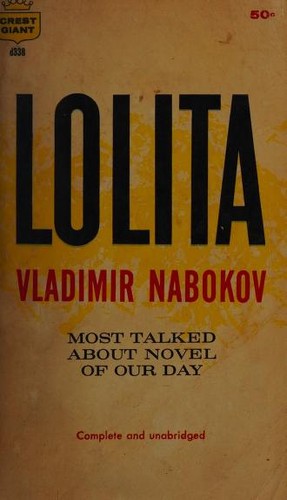
30. Banned books: Vladimir Nabokov's infamous Lolita
The great central tension is between Humbert Humbert the monster and HH the sensitive and sympathetic aesthete. How reliable is HH as a narrator? Is he deluding himself?
-
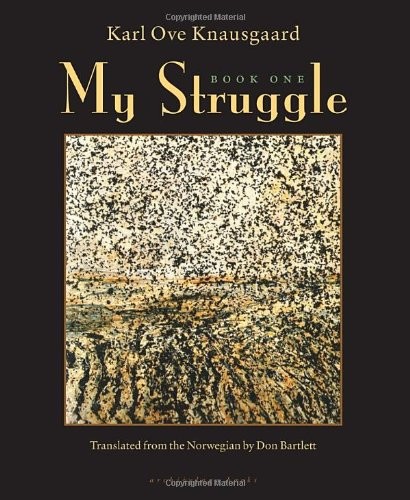
29. Karl Ove Knausgaard's My Struggle: Autofiction and autofellation
These days every bestselling author writes novels about how their dad was too strict and they got bullied for bringing stinky indian food to school etc. But Karl Ove Knausgaard walked so millennial narcissists could run.
-
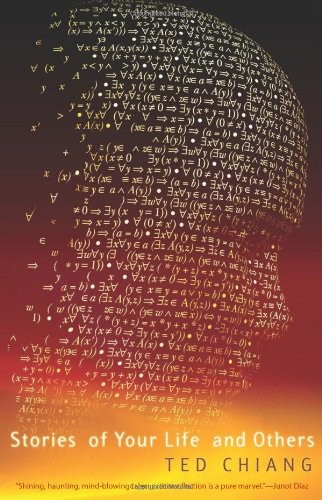
28. Ted Chiang's Understand: Intelligence explosions and AI doom
Yeah, it's big brain time. Could two superintelligent beings cooperate, or would they have to annihilate each other? An AI doom classic from 1991.
-
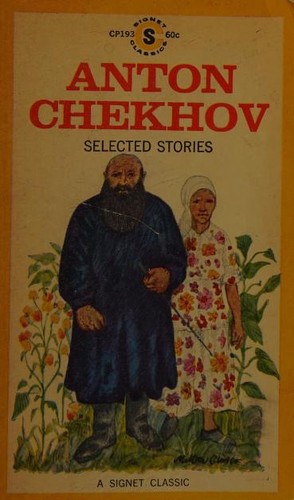
27. Chekhov urself before u wreck-ov urself (The Little Trilogy)
Three of Anton Chekhov's most beloved short stories, with a minor assist from George Saunders and his fantastic book *A Swim in the Pond in the Rain* — but no shortage of stuff to discuss.
-
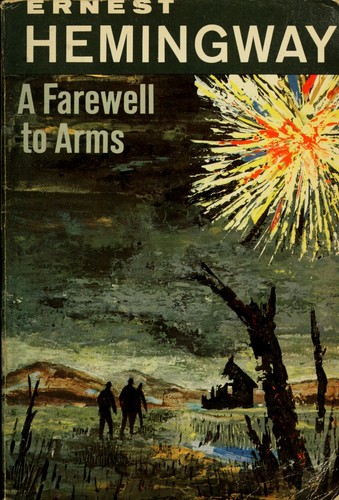
26. Ernest Hemingway's A Farewell to Arms: War and love
The boys debate Hemingway's laconic characters and terse writing style, what to make of the 'iceberg method', and why he went with the most depressing possible ending.
-
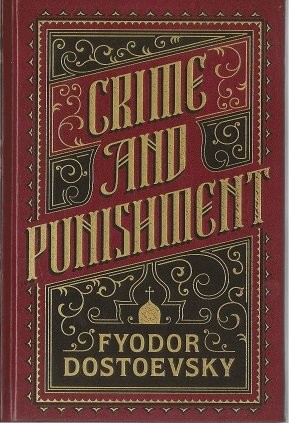
25. Crime and Punishment finale: is Dostoevsky...overrated??
Svidrigailov sneaks up on us as the most underrated character in the book. We talk about the three incredible scenes that bring his journey to an end: kidnapping Dunya, the feverish hotel dream, and the dramatic exit. Plus: is the critique of utilitarianism actually any good?
-
24. Crime and Punishment, part 2: Three extraordinary men
Parts 3 and 4 give us a lot more meat on Raskolnikov's 'extraordinary man' thesis. How does it overlap with the Übermensch in Nietzsche and Hegel? Are we too deeply steeped in Christian morality to become 'extraordinary' without destroying ourselves?
-
23. Crime and Punishment, part 1: Mister Schizo and the First Trad
A conservative/reactionary book that mocks revolutionary ideas and naive utilitarianism — did the moral panic over materialism hold up, or are we at the end of history? Plus: what causes Rodya's mind to fracture so spectacularly, and why does Rich kinda relate to him?
-
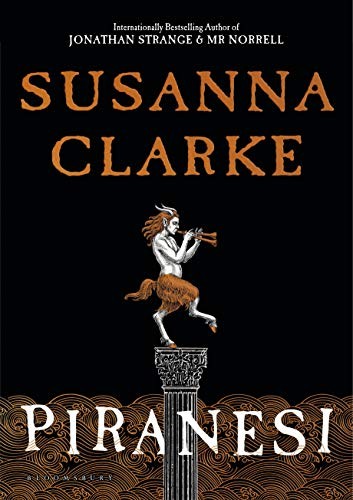
22. Susanna Clarke's Piranesi: Gaslight gatekeep girlboss
Piranesi as amateur scientist: On indigenous knowledge, the dangers of naïve empiricism, achieving dominion over nature, and whether the Other kind of had a point. Metaphysics of the House: Are abstractions real, revisiting Plato's world of perfect forms, and whether the world is fundamentally Good.
-
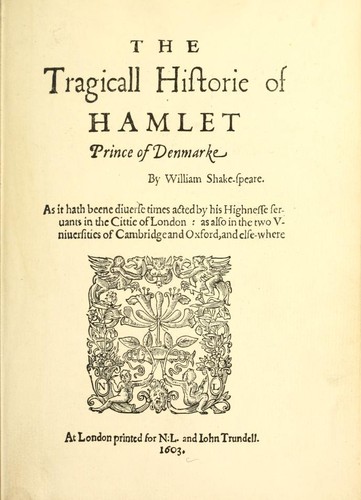
21. The Tragedy of Hamlet: The O.G. annoying theatre kid
Rich struggled through the original text and only had the vaguest idea what was going on. Cam watched every single movie adaptation and studied for two weeks but still got casually mogged by his girlfriend. By the time we got done with the discussion we were all actually hyped to read more so something must have gone right.
-
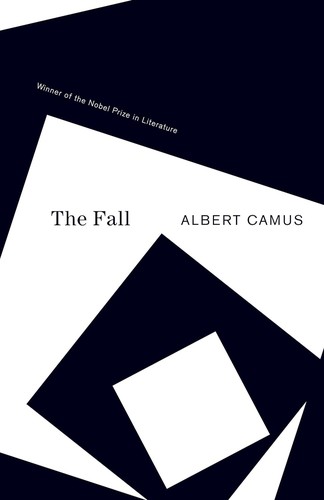
20. Albert Camus' The Fall: Signalling, scrupulosity, and pathological self-awareness
On performative castigation: Is Jean-Baptiste's judge-penitent stance actually coherent? The pitfalls of woke ideology, recursive traps of judging people, and why virtue signalling is good, actually.
-
19. Philip K. Dick's paranoid classic Ubik: Fluttering at the windowpane of reality
Is Ubik a metaphor for God? What are the parallels to Gnosticism, and who is the demiurge behind the false reality of half-life? Do people who experience psychotic breaks even know that it's happening? What does Plato have to do with all of this?
-
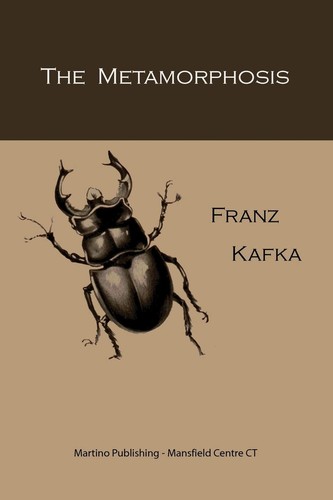
18. Franz Kafka's The Metamorphosis: A Bug's Life
Is this story meant to be a depiction of depression? An autobiographical work about an artist becoming alienated from his philistine family? A Marxist commentary on capitalism? A subconscious Freudian incest thriller?
-
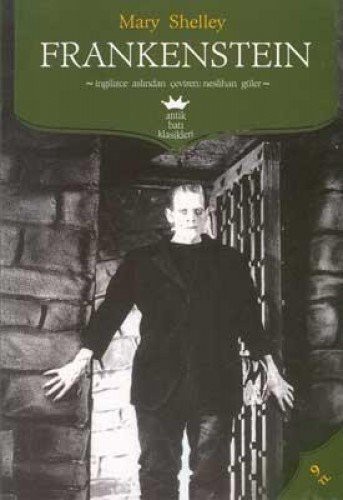
17. Frankenstein, part 2: Nature vs nurture
Nature vs nurture: the monster as proto-incel, to what extent do we feel sympathy for him, should Victor have made him a bride, self-loathing and recrimination, and whether hot people are actually more virtuous than ugly people.
-
16. Mary Shelley's Frankenstein, part 1: Post-nut clarity and forbidden knowledge
Forbidden knowledge: are infohazards real, taking accountability for new technology, guilt and the disgust instinct, strong parallels with AGI, arguments for and against creating new species. Can we defend a parochial concern for our own family/friends/species?