Episodes
All episodes of Do You Even Lit.
-
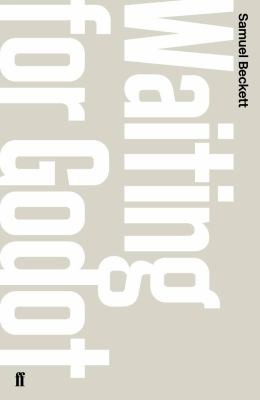
15. Samuel Beckett's Waiting for Godot: The One TRUE Interpretation
How well does the humour hold up over time? Where does Beckett rank in the canon of absurdist and existentialist writers? What proportion of reported suicides are actually autoerotic asphyxiation accidents? etc
-
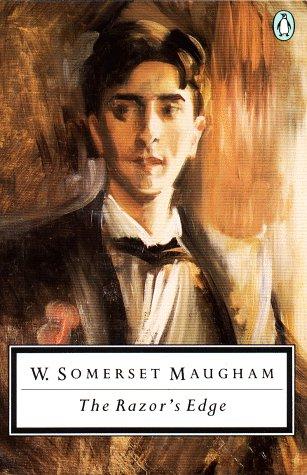
14. The Razor's Edge, part 3: Climbing off the wheel of suffering
Elliot Templeton as the last relic of a dying age. Sophie MacDonald attempts to climb off the wheel of suffering via more prosaic means. On the transmigration of souls, God as a deadbeat dad, and whether it's bad for society to encourage serenity-maxxing.
-
13. The Razor's Edge, part 2: Lay your hands on me Larry
Larry becomes aloof and reserved. Is he really bringing anything to the table besides his sexy forearms? Has he gone full woo-woo granola cruncher? Why can Kosti only talk about spirituality when he's drunk? Why aren't muses a thing these days?
-
12. W. Somerset Maugham's The Razor's Edge, part 1: Nobody loafs like Larry
Why do we love Larry so much? Is his decision to step off the beaten path less admirable given his 'trifling' $54,000 inflation-adjusted stipend? And is the pursuit of knowledge for its own sake a noble activity, or should we be building stuff in the world?
-
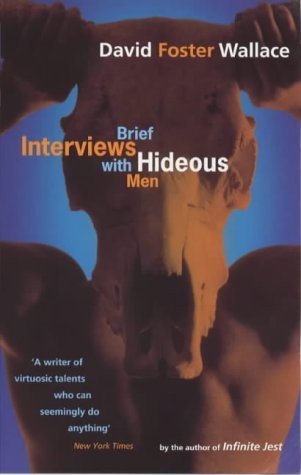
11. Brief Interviews With Hideous Men, part 3: Was David Foster Wallace a hideous man?
Starts with light and breezy over-sharing of our masturbatory habits, ends with a downer discussion about how to re-contextualise Wallace's work through the lens of the abuse allegations against him.
-
10. Brief Interviews With Hideous Men, part 2: If you can fake sincerity you've got it made
How much metafiction is too much metafiction, does DFW stray into self-indulgence, the leap of faith he asks from his readers, is it possible to tactically and deliberately try to be sincere (or is this another double bind), and whether Brief Interviews is really about toxic masculinity.
-
9. David Foster Wallace's Brief Interviews With Hideous Men, part 1: Weaponised therapy-speak
Wallace's 1999 collection of short stories takes us to some uncomfortable places. On nostalgia, the blurred lines between narcissism and depression, therapy culture, and why metafiction is played out.
-
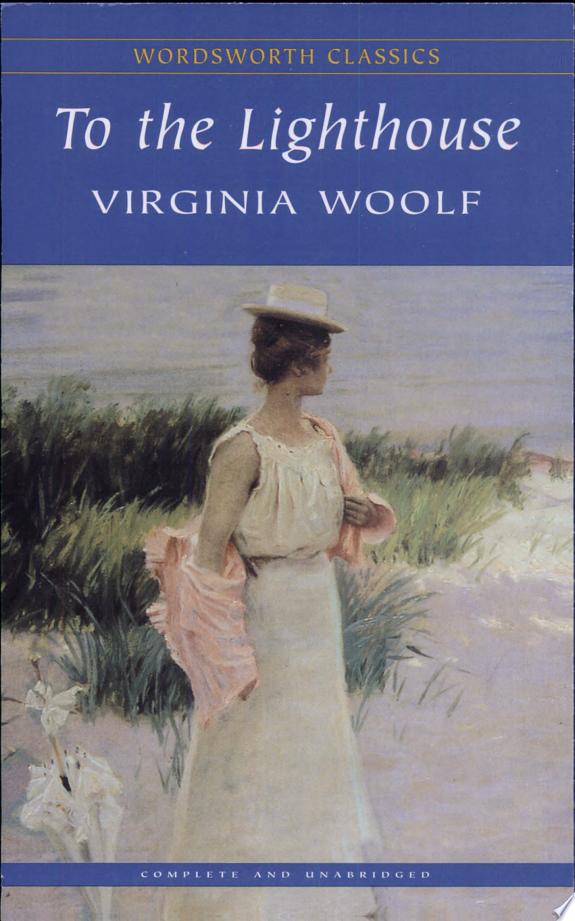
8. Virginia Woolf's To the Lighthouse, part 3: We finally get to the fucking lighthouse
An anticlimactic final discussion to an anticlimactic book. We are confused and afraid. Cam is on the brink of quitting reading altogether.
-
7. Virginia Woolf's To The Lighthouse, part 2: Portrait of the autist as an old man
Rich waxes lyrical about the dinner party scene. Do men have impaired theory of mind, or are they just assholes? On the invisible mastery of social reality, and capturing subjective experience in literature. It goes well enough that the boys decide to actually read the rest of the book.
-
6. Virginia Woolf's To The Lighthouse, part 1: Skill issue
A fragmented jumble of multiple shifting perspectives, punctuated by abrupt jumps between topics and timelines, infused with the frustration of trying to express intensely-felt experiences within the bounds of mere words.
-
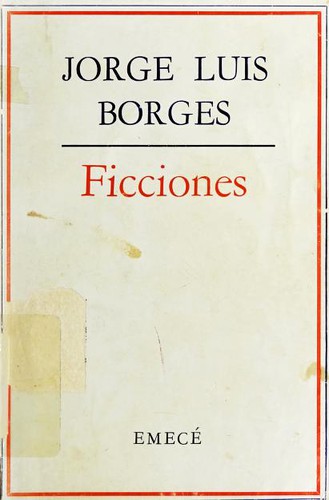
5. Borges' Garden of Forking Paths: a ramble through the multiverse
These days the 'multiverse' idea is standard marvel slop. But if we read this story in 1941 it would have blown our tiny little minds. How did Borges sit at the cutting edge of philosophy and physics without doing the info-dump spergy thing? We read one of our favourite stories in search of Clues.
-
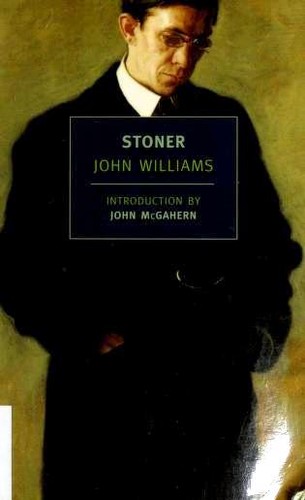
4. John Williams' sleeper hit Stoner: Finding perfection in mediocrity
What does it mean to live well when you don't make your mark, don't save your daughter, don't get the girl, and spend most of your waking hours reading? The boys are forced to confront why they identify so hard with a man who accepts mediocrity as the modal outcome. Uh oh.
-
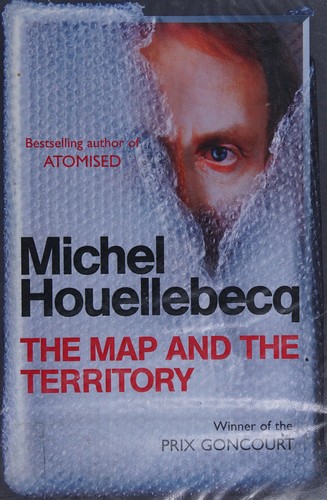
3. Michel Houellebecq's Map and the Territory, part 3: The world is weary of me and I am weary of it
Closing out our discussion of the novel's grim third act: a meditation on entropy, resignation, and thwarted ambitions. Is Jed the one character who escapes the book's pattern of failed lives? On the tension between being open to criticism and imposing a singular artistic vision upon the world.
-
2. Michel Houellebecq's Map and the Territory, part 2: Post-industrial society and its discontents
Unpacking Houellebecq's critique of post-industrial capitalism and the perverse incentives that corrupt genuine creativity. Can Jed's artistic integrity survive the profit motive? The boys also attempt—repeatedly and unsuccessfully—to discuss death.
-
1. Michel Houellebecq's Map and the Territory, part 1: Memeing big fat juicy asses into reality
The boys dig into the opening section of Houellebecq's The Map and the Territory, tracing its central map/territory distinction from Plato's cave through Schopenhauer, and out into questions of contemporary art, tourist experience, and whether our mental models can reshape physical reality.