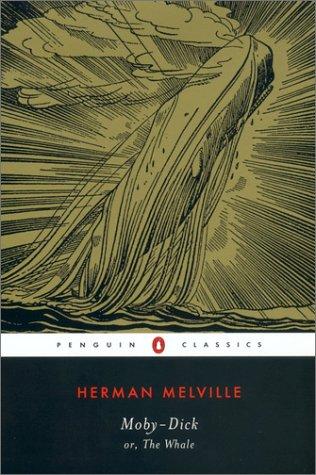
We continue our voyage with chapters 40-80 of Herman Melville’s leviathan Moby Dick.
Talking nihilism and meaning-making, the deeper significance of making the whale white (seriously), the terrifying vastness of the ocean, animal welfare and charismatic megafauna, and whether we’re OK with reading an abridged edition of the book.
In short: we’re having a whale of a time. Tune in next week for our third and final instalment.
They should make some kind of ‘abridged’ version of this book
Benny: All right, welcome to Do You Even Lit. Moby Dick season two, chapters 40 to 80. Begins with some singing, ends with some phrenology. What more could you want in 40 chapters?
Rich: Oh, that’s a good night out. Some slaughter in the middle, wholesale slaughter. Come home, it’s 4am, you’re sitting around shooting the shit, talking about skull sizes. And all you need is to watch some Family Guy reruns as you fall asleep, and it’s perfect.
Benny: A couple of your mates have almost died, a couple harpoons have been thrown, and you learned a lot about blubber and spermaceti oil. I don’t know how better the night could get, really.
Rich: I’m imagining Melville was like a coke head. He’s just bending everyone’s ear at the after-drinks about all this whale stuff.
Benny: Honestly, now I’m kind of into it. I think I was slightly — not annoyed’s the right word — but I was slightly hesitant to endorse the overall value of the info dumps for the first 40 chapters. Some of it got on my nerves sometimes. But now I think I’m actually really enjoying it, and I don’t mind those chapters at all. And I like how earnest Ishmael is trying to be as he describes all these things to you.
Now in my mind he’s sort of this slightly self-conscious narrator who’s sort of aware that the story he’s telling you is wet and wild and fantastical and unbelievable. And so he interrupts the story with all these adorable, very mundane details of his life to try and get you on his side. There’s a lot of mundane things about whaling too. Here’s a bunch of details. Here’s a bunch of science, quote unquote, about these whales. So now I’m really into it. What are your thoughts overall on these 40 chapters? You guys still liking it as much as you were?
Rich: I had a little bit of a lull after the big climax in chapter 36 and I started thinking, oh Benny, maybe you’re right, like my editor’s pen started itching, I would slash a few sections out. Then later in the book, when we get all these anatomical digressions and long detailed explanations of all the mechanics of whaling, I was totally back in and loving it. I cross-checked against Wikipedia, mostly to fact-check Ishmael and just Melville, I suppose, and to see how close is this to real life. I just read the Wikipedia page for sperm whales. And what I ended up realizing is that whether or not he gets the details right, it doesn’t matter — it’s just so much richer and cooler. Is a wiki gonna tell you that the blood of a polar whale is warmer than that of a Borneo negro in summer? Imagine how quick that would get edited out.
Benny: Not these days with woke Wikipedia, are you kidding me? All the libs tying us down.
Rich: Yeah, it’s just like reading this cool custom Wikipedia. And also the other thought I had was, I’m the type of guy who likes reading Wikipedia pages — we exist, there’s millions of us. So I’m back on board. There was just this couple of kind of violations of show-don’t-tell, where in these early chapters he’s like, “and don’t forget, sperm whales are so badass and dangerous,” and then when we get to the action scenes we encounter the sperm whales and we find out for ourselves just how badass and dangerous they are. So I have actually come around slightly to your basic-bitch position, Benny, that you could lose a few of these chapters, but the later whaling-fishery ones — I like all of that stuff, I don’t want to cut a single word from there.
Benny: So you looked into the veracity of his claims about the sperm whale and came away thinking it actually doesn’t matter. In other words, he was not very truthful, or at least you can’t easily fact-check his claims. Is that the moral of the story?
Rich: I mean, parts of it are definitely right. I didn’t try and do a really close fact-checking, I just wanted to see if the broad outlines are right. The shape of the skull is fascinating. It’s not what you expect at all. I don’t know if you guys have looked at the skeleton, but it’s exactly as Melville says. But I mean, we’re probably getting ahead of ourselves. Do we want to start the discussion by getting lost in the weeds of whale anatomy? I don’t know.
Benny: Okay, yeah, fair. We’ll put that on hold. All right, Cam, what do you think?
Cam: Yeah, I had this funny thought reading this. I can’t remember when it was — it would have been the section on cetology, or how to make a sword mat, or a whale line, or about the krill — because I was talking to a friend like this week, and he’s a friend that reads, so he asked me what I was reading. I said Moby Dick, and he kind of winced and asked if I’d recommend it. And I had this thought like, it could be helpful for marked chapters — I don’t know which ones are worth skimming or even skipping. That would be a useful resource. But then well after that, it was like later that night, I had this thought — wait a sec, it’s kind of like that meme, you know, like you literally reinvented the juicer, you know, like in a San Francisco startup or something. You invented the abridgement, and there’s so many abridged versions of this.
So I was just wondering — maybe an abridged version would be all right. Or is it vitally important not to do the abridged version? I think you guys have kind of answered it, but what do you think of that?
Rich: Well, can you say something more about the abridged versions? Because I’m aware that they exist, but I kind of forgot about it actually — I forgot that there are commonly abridged versions. What was the thinking behind it? Was it taking out sexual innuendo and stuff, or was it taking out boring whale bits?
Benny: I think they literally just cut specific chapters, is my understanding of the abridgment of Moby Dick.
Cam: I mean, the thing is, there are different abridgements, but I think the main theme seems to be cutting out most of the info dumps and keeping the narrative. And it’s almost sometimes it feels like sort of one chapter of narrative, then one chapter of info, and then one — I mean, it’s not quite that, it’s not just info dumps, so there’s philosophical ruminations near the end which touch on themes as well. So more context — I think most abridged versions start sort of in Nantucket and meeting Queequeg and stuff, and then they just cut out some of the stuff around cetology, or like the advocate, that this story is real and likely, and stuff.
Rich: Which pictures of whales are the most accurate to real life as depicted in various lithographs and woodcuts and so on? You could lose that. I think you could lose that. Even though — I just remembered, the start of the book, was it this in your guys’ edition as well? It just starts with like dozens or maybe hundred-plus excerpts of almost every reference to a whale in literature and the Western canon that he could possibly dredge up.
Cam: No, I didn’t see that. Was that from Melville?
Rich: Did your book start with that? The start of Moby Dick, my edition, has everything from Hobbes’ Leviathan to the story of Jonah to whatever other mention of a whale.
Cam: I do like how he always refers to it as a Leviathan. I know Ishmael even referenced it at one point, like the defense when he was sort of defending whales as noble creatures. He cites the Egyptians and someone from the Bible. I don’t think it was Job, but it might have been. No, I don’t think I saw the start of it. I probably just skipped it.
Rich: But to answer your question, I’m very happy with the edition that I’m reading, in part because I’m good at skimming. I don’t find myself feeling guilty about passing over stuff that I happen to find boring. So I guess I’m performing my own me-specific abridgment on the fly. And maybe a purist would frown on that, but I’ve always done that whenever I read. I guess I just do it unconsciously.
Cam: Ever since you skimmed Adler’s How to Read a Book, you’ve been excellent at skimming.
Rich: Yeah, I think this is sort of a barbell approach to reading, where you should skim or do as little as possible a lot of the time, and then go really really deep and intense on the things that — and actually, just speaking about the conversation we’re going to have, I was trying to think about what I wanted to talk about, and it’s just such a vast beast of a book that I think ultimately I just sort of threw a dart at it, and where it stuck I thought, okay, I’m gonna dive in on this and think more about this. There’s so many ways you could go with it that you just have to kind of choose something.
Cam: Was your dart joined with a second dart, sort of by string, and as you throw it, it comes and hits a bunch of people on the way?
Rich: Yeah, we’ll throw two darts in case my quarry tries to escape.
Cam: Okay, so — Benny, more thoughts?
Benny: Yeah, I’m kind of torn. There’s kind of two separate questions. One is just, are the info-dump chapters interesting in their own right? And I want to say yes, especially for nerds like us. But that’s a separate question from the question that you asked, which is, are they actually necessary for this book? What do you lose exactly if you were to actually cut those out? Sure, you maybe lose some interesting bits, but is it crucial to whatever Melville was actually trying to do? I don’t know. I mean, we might have a better idea of that by the end of the book, where we can try and get a sense of what he was really trying to get across, what messages he was trying to convey. But that second question, yeah, I don’t have a firm answer to that. It would certainly change the character of the book, because it’s sort of defined by this relatively slow pace, with Ishmael just describing everything under the sun to you, the reader. And then that is punctured by brief action scenes. So if you were to get rid of all that stuff and you just have the action scenes, it would certainly read like a much different book and be much faster paced. So yeah, does that matter? Does that change the character? Or I guess it does change the character, but does just changing the character matter? I don’t really know how to think about that, so maybe we should just come back to that question at the end when we have a better sense of what the book is about.
Cam: I think the other problem is, I downloaded a bunch of abridged versions just to check them out, like check what chapters were missing and stuff, and there’s not a perfect crossover as well, so it’s kind of different. You can kind of just do what you want now — it’s free domain, so you can abridge it how you want and send it out. But there are —
Rich: Has any autistic person done an abridged version which is just all of the info dumps, and they’ve cut out all the plot?
Cam: That would be good — just read those. Yeah, that’s a good take.
BULKINGTON
Yeah, and I don’t actually necessarily trust any of the abridged versions I saw, because for instance, most of them were missing — I think one of my favorite chapters, or a very important chapter I think, called the Lee Shore chapter, chapter 23. This might move us through to our next talking point around Ishmael’s motives and meaning. But the Lee Shore — what happens is, he just notices this other sailor called Bulkington, who’s kind of stoically standing at the helm of the ship, and you almost imagine him a little bit like the Wanderer over the Sea of Fog painting or something. And Bulkington was only mentioned —
Rich: It’s a great name, sorry, it’s just funny. It’s like a bodybuilding.com forum username.
Cam: Yeah, that is funny — that is a good use of that. And he does describe him kind of as a strong guy as well. And the only other time we’ve seen him in the book was back in Nantucket. He sort of sees him, but Bulkington’s just been away on this four-year voyage and he gets straight back on the Pequod. So it’s just kind of ruminating on why someone does that — like, immediately wants to go back out onto the sea. And then he starts ruminating a little bit on the sea, kind of as a metaphor also for the mind, and of land. I mean, so the lee shore is literally land that is downward of the wind, like from the boat. And he talks about how, well, in a storm, the lee shore is the most dangerous thing possible, and every sailor wants to avoid it. But in the calm, and if you’re like a land man, it’s the safe place where everyone wants to go to. But Ishmael was kind of saying, well, actually, seamen prefer the open sea, and that’s what’s safe, and the land is dangerous. And even then he starts talking about earnest thinking. I’ll read the quote:
All deep, earnest thinking is but the intrepid effort of the soul to keep the open independence of her sea, while the wildest winds of heaven and earth conspire to cast her on the treacherous, slavish shore.
Yeah, so the sea — and then he describes this indefinite as God, this kind of infinite aspect to it. Anyway, so yeah, my original point was that that is missing in a lot of the abridged versions. Quite a lot of these other info dumps as well — there’s usually this philosophical rumination on Ahab’s motives, or his motives, or different metaphors as well. So I think you missed that.
Benny: So the moral of the story is there is a part that often gets cut in abridged versions that you like, that’s in the full version and you would —
Cam: Yeah, well, I think it’s quite important to understanding Ishmael’s whole —
Rich: We’re going to have to abridge this part of the episode, I think.
Cam: Ishmael’s whole motive to — unless you think — do you think they cast light to his motive? I mean, what were you going to say about his motives and stuff, Benny? Were you going to pose a question about him?
Benny: Yeah, I was kind of gonna ask the question about it. I was actually going to make the point that I sort of made earlier already in passing, which is that he strikes me, especially from chapters sort of 40 to 50, as somewhat self-conscious — which I thought was funny and adorable — where he’s aware that the reader might not believe him, because again the tale is so fantastical. He has this sort of — I think the chapter is even called like Affidavit, wait, let me check. Yeah, sort of chapter 45, where he’s like, “please believe me, this does happen.”
Cam: This happens. Trust me, this sort of thing happens.
Benny: I’m telling you so much detail about this stuff. I think he says, “use your critical faculties” or something, which I’m not sure what that meant exactly, but I think he was basically saying, don’t just go off your intuition that this stuff is too bizarre to actually happen — this is actually exactly what’s going on.
Cam: And I think there’s kind of two ways as well. It’s like, this happens in the sense of a whale can be dangerous and can destroy a ship and stuff. There were cases of that, and there was a few decades before. And it’s also possible that someone could be so focused on hunting a particular whale. He’s like, that also happens as well.
Benny: Yeah. So that’s kind of what I was thinking about his meaning slash motives. But do you have more?
Cam: I don’t know more, apart from the stuff I said around his kind of yearning. Almost like Kramer from Seinfeld, man — but yearning for the sea in this kind of —
Rich: The boundless nature of the sea, right? Is that part of it?
Cam: Yeah, yeah.
Benny: Wait, did we determine that Butcher’s Crossing was influenced by Moby Dick? Was that explicitly one of John Williams’s —
Cam: Yeah, no, definitely. So it’s like a close retelling. Well, I mean, you could write a sophomore essay on some of the differences between it. Transcendence and stuff.
Benny: Just because, as you were saying, I think like one of the books where it’s just clear that you have that yearning in the beginning, of like, you can’t put your finger on why you need to go to have this grand adventure but you need to go have it, was obviously the main character in Butcher’s Crossing, whose name I’m forgetting.
Rich: William. Some derivation of William. William Andrews.
Cam: William III.
Benny: William John.
Cam: But yeah, it’s interesting — this unboundedness of the sea that he wants to explore, and then he kind of analogizes it with the unboundedness of the mind. And you can sort of contrast that with Ahab. Ahab’s is almost the opposite. He’s very direct and narrowly focused, monumentally focused on a particular thing.
Benny: Do you guys have that with the sea at all, or mountains, or anything?
Cam: I’m scared. I’m so scared of the sea.
Rich: Yeah, it’s too big, don’t like it. When he says in this book that it covers like two-thirds of the planet or something, and for every bit of land there’s twice as much bit of featureless blueness — scary, don’t like it. I’m a landlubber.
Benny: All right, well, we’re obviously the right people to read this book.
Rich: But I do think this chat links into the particular section where I’ve chosen to throw my dart. So should I talk about that?
Cam: Nice.
Benny: Yeah, throw your dart.
Whiteness conceptual analysis
Rich: So basically you’re right, Cam, that I don’t know about every info dump, but a lot of them have philosophical meaning to them — they’re not just Wikipedia regurgitation type things. And this particular one that caught my interest definitely does, and it has resonance with what you’re talking about, the vastness of the ocean. So I am interested in chapter 42, “The Whiteness of the Whale,” and I never thought I’d say the sentence, but I’m about to embark on a conceptual analysis of whiteness.
So yeah, like, why did Melville choose to write about whiteness? He wrote about every single other element of the whale that you could possibly imagine, so in some sense it’s not a surprise. But I think this is our first bit of philosophical red meat, at least that I’ve noticed. There are probably more things before this, but this was where I started thinking, oh, this could actually be a pretty big clue about what the deep thematic significance of this book is.
So he starts off by talking about whiteness as being a signifier of the good among various different cultures. I think that’s pretty intuitive to us in the West, that whiteness is associated with purity and sanctity, cleanliness, holiness, and even festivity and happiness — so like a bride’s white wedding dress, or a white temple, white marble, stuff like that. I know that if this was a 2018-era conceptual analysis of whiteness, then this is the point where I say, well, that’s all because of the colonialist imperialist mindset that’s tricked you into internalizing racism, that the whiteness of your skin color has something to do with being good, and brownness has to do with being bad or something. But Melville gives some interesting examples of cross-cultural association of whiteness with the good, and then I sort of fact-checked him just to make sure, and it’s definitely true to say that although white is not always considered good amongst people with all kinds of different skin colors, it’s definitely independent of race. So it’s basically — it’s not what a woke person would have you think, about it being a colonial project to associate whiteness with goodness.
And then next, Melville goes on to note that whiteness is often also associated with really bad things — so for instance, death, the pallor of a corpse’s skin, the funeral shroud, or ghosts.
Cam: Polar bears, great white sharks.
Rich: Polar bears, yep. The fact that death rides upon a pale horse.
Cam: He missed this one, but my first thought was the white walkers from Game of Thrones.
Benny: Shocking that he missed that.
Cam: I’ll forgive him for that one.
Rich: Yeah, you can include that in your revised Melville edition.
Cam: My abridged version, yeah.
Rich: So then he tries to reconcile it by saying essentially that whiteness is a kind of intensifier. So it intensifies things in both directions. “Coupled with any object terrible in itself, it heightens that terror to the furthest bounds.” So speaking of the polar bear and the white shark, because they’re already kind of horrible creations, at least in his view, the fact that they’re white makes it even more ghastly. He also mentions the albino man, which of course made me think about Judge Holden from Blood Meridian, who — I don’t know if he was actually an albino, but certainly described as very pale and hairless.
Cam: And hairless or something, right.
Rich: And so calling attention to himself in the same way, like a horrible thing made even more horrible by its paleness. And there’s this line which is: “The albino is as well made as other men — has no substantive deformity — and yet this mere aspect of all-pervading whiteness makes him more strangely hideous than the ugliest abortion.” Which is pretty rude — I hope we don’t have any albino listeners.
Okay, so what’s the point of all this? I think this dual nature of whiteness is really important for Melville. It’s very unusual, because whiteness, if you think about it as a color, he says it’s the source of all things — so it’s sort of all-encompassing, infinitely deep, sacred, all colors are made from white light. But also you could conceptualize it as the total absence of all things. Imagine you’re in a pure white void, there’s just nothingness stretching away in every direction, a signifier of meaninglessness — so sort of a nihilistic absence of all things. And the money quote, I think, is here. He says:
Is it that it shadows forth the heartless voids and immensities of the universe, and thus stabs us from behind with the thought of annihilation, when beholding the white depths of the milky way? Or is it, that as in essence whiteness is not so much a color as the visible absence of color, and at the same time the concrete of all colors; it is for these reasons that there is such a dumb blankness, full of meaning, in a wide landscape of snows — a colorless, all-color of atheism from which we shrink?
So yeah, I think this is going to be the central tension of the book, or at least it’s my first contender, my first real clue so far — that this is real cosmic or existential horror lurking beneath the surface of this book, as represented by Moby Dick. And Ahab — I don’t know what he’s trying to do, but he’s being prompted into action by being confronted with this question. Some of my open questions are things like: is Melville himself a nihilist, or is he arguing in favor of some kind of existentialist stance and the project of meaning-making? And then, does that make Ahab a perversion of meaning-making, who’s meant to be contrasted against, say, traditional Christian forms of meaning-making? Or could he be read as some kind of Promethean hero, or romantic hero, or some third thing — some middle path? I don’t have any answers to those questions yet, but I just wanted to flag it as something to pay attention to and to be thinking about as we get through the conclusion of this book. But of course, if you guys have any initial thoughts, I’d love to hear them too.
Benny: Oh yeah, that’s super nice. It also ties, I think, into what Cam was saying earlier about the vastness of the ocean itself and this boundlessness that it encapsulates, and you could sort of get lost in it. And then Moby Dick, in some ways, is a focal point for your attention. And it’s a negative one, but it also provides you the means by which you can give meaning to your life, by chasing this thing in this vast boundlessness that otherwise might have no meaning. It’s all the same — like you were saying, when you’re in the middle of the ocean and you’re out of sight of land, basically all ocean looks the same. You have no idea where you are. And so they’re sort of creating meaning as a crew, and especially as the captain — sort of creating meaning via adversity against this force of nature somehow.
So yeah, I totally agree, it’ll be interesting to see how we feel about Ahab as they engage in what will be a great chase of this whale eventually — to see if we are sympathetic to Ahab, to see if he’s successfully creating meaning almost out of nothing, or using this circumstance to give his life meaning where otherwise it would be perhaps more empty. Or, like you said, if he’s some sort of weird perverse anti-hero and we think he’s just lost his mind and missed making meaning in other ways that might have actually been more fruitful.
Cam: Yeah, I mean, my guess is the latter, for what we know going into this book — that it’s kind of creating this meaning but corrupting it in a way. Yeah, it’s funny Rich, I highlighted that quote as well. And I think in that whiteness — I think that was a stroke of genius, making this whale all white. Not only is it this conspicuous thing — the white whale is now this phrase, a great goal or point of interest — but yeah, that section was great. I’d never really thought about whiteness as kind of demonic or haunting, but it is true. And I think the more important thing is just around the absence of colors and the combination of all colors — you think of the Pink Floyd Dark Side of the Moon album cover, the white light and the rainbow and stuff. I think the stroke of genius — it’s kind of related to what Benny’s brought up a few times around great literature and just things that you come back to and hard to understand and hard to provide readings for, and everyone disagrees about it. You know, for 150 years people still disagreeing on what it means. And that this whiteness itself just symbolizes that so directly — it kind of means everything or it means nothing, and that is kind of the point. We don’t understand. One reading of what this whale definitely means to Ahab or definitely means to Melville, I think, is probably wrong, because of this vague — I think he says it’s a vague and nameless horror of the whiteness. It’s ineffable in a sense.
Rich: Yeah, it’s hard to even talk about without getting into stoner kind of freshman talk. But I think this is the big question — like you say, it’s everything and nothing at the same time. And this is just the central problem of life and existence and meaning-making. It’s this vast blankness, but also being the source of all possible meaning. That’s what the world is — it’s the universe in which we strange monkeys live. And everything just comes back to that. I hadn’t made the connection with whiteness either, so it’s great. I’m glad that he has these asides where he gives us these clues and actually helps us think about the symbology, but whilst walking this tightrope where — I love the ambiguity. I don’t know at this point whether Melville is a nihilist, or more of an existentialist, or a Christian. I think he’s critical, or at least poking fun of, the excesses of Christianity. I don’t think he’s a full-on nihilist, but I love the fact that we’re now two-thirds of the way through the book and I’m not sure. It’s like the most non-didactic didactic book that we’ve ever read. I think it’ll tell you everything you need to know about the vertebrae column structure of the whale, but he won’t spoon-feed you exactly what he thinks.
Benny: It also casts a different light on the info dumps in some way as well, because you’re getting all this material insight into what the whale is like and comparing it with other things — about its bone structure and how much it weighs and exactly how to behead it and handle it and cook its blubber and where the oil resides, etc., etc. But you’re not getting any information at this more metaphysical or abstract level. So it’s weird as the reader, because, you know, all this stuff about sperm whales and right whales now, but then as you said, you’re still in the dark as to what this thing means, what it means for the crew, whether it’s healthy, whether it’s unhealthy, how to feel about it. So he’s playing with you, he’s toying with you a bit as the reader, I think, with all that stuff.
Rich: Yep. And we’ll probably get into it in the sperm whale fishery section, but there are some winks and references at proto-animal welfare arguments. Well, I’ll just put a flag in that for later.
Benny: Nice. The shrimp welfarists are looking good now. It’s all happening.
Rich: Oh yeah, you got to kill the baleen whales to save a vastly larger number of krill.
Benny: To save the crustaceans, yeah, exactly.
Okay, so let’s maybe hit just a few actual plot points here, both for our sake and the listener’s sake, and because I think they’ll probably be important to discuss later on with stuff that happens. So a couple of main things that happen —
Rich: Yeah, we gave the listeners a real theory-heavy first half an hour.
First whale encounter
Benny: Yeah. Let me just rattle off some stuff that happens, feel free to jump in where you want. Around chapter 47, I think, Tashtego, who is one of the crewmen, sees a troop of whales. They think that — well, I think it’s multiple whales at least that they see — and they think that Moby Dick might be among this set of whales. In my notes I have the word “troop of whales,” but I don’t know if that’s actually correct. I know it’s like a troop of orangutans, but —
Rich: Isn’t that called a pod of whales?
Benny: Is it a pod of whales? It’s a pod of dolphins for sure. Is it also a pod of whales? I don’t know.
Anyway, so Ahab gets excited that Moby Dick is perhaps with this set of whales, and that’s when the reader realizes that Ahab, unbeknownst to the rest of the crew, actually brought a secret second crew aboard that will man his whale ship — his own personal whale ship — that he will be, I guess, the harpooner of.
So just to give a bit of background, how these things work is, there’s this big mothership and it’s equipped with, I think, roughly four to six smaller ships that hang off the side. And these are called whale ships. These have the ropes and the harpoons and everything. And then when they find a whale, these ships basically have lifeboats on the side. I mean, they’d be bigger, I imagine, than lifeboats, but maybe roughly that size.
Rich: Fast but easy to destroy.
Benny: Yeah, really light, easy to destroy, and also quiet. So the oarlocks, which is where the oars sit, are all padded on these things, so that they can row quite quietly if the whale hasn’t seen them yet. So anyway, they lower these things in the water. Each of them sort of attacks the whale from a different direction. This is where the harpooner is sitting. So usually the captain of the mothership would just oversee the project of lowering these boats into the water and having them attack the whales. And you have different harpooners aboard, each of whom is sitting in one of these crafts.
But it turns out Ahab wants to be his own harpooner. So he’s brought enough people aboard to man a separate whale ship himself, and he abandons the mothership. He’s like, I’m going to go kill Moby Dick myself. So anyway, it turns out, we think, or at least I think, that Moby Dick was not with this pod of whales, and they have a bit of a miscue — a couple of harpoons miss. I think Queequeg lands one harpoon but he can’t land a second, and the whale speeds away, overturning the boat and some people end up in the water. Which may not sound like a big deal, but I think actually we’ve been told a lot of these people can’t swim. Swimming is not a normal skill to have. We know Queequeg can swim, but a lot of these guys can’t swim. So if you just end up in the water, I mean, they’re definitely not wearing life jackets. So I’m getting that from some hints in the book, but also mostly from just separate stuff I’ve looked online about whaling. So if you end up in the water, you’re in —
Rich: Okay, I’m starting to feel somewhat less sorry for the victims of the sperm whale fishery. Like, come on, you should learn how to swim. Yeah, that’s wild.
Benny: Yeah, learn how to swim. You’d think, instead of spending all your time eating whale steak aboard the ship, you’d spend some time learning how to swim.
Rich: When I got my dive license in Thailand, it was maybe a slightly — I don’t know if it was a slightly dodgy dive shop or if all dive shops are kind of chill like this, but it was on this little island in Thailand. And one of the guys in our certification class didn’t know how to swim. And they were like, yeah, you’ll be fine, you’ll figure it out.
Benny: How hard can it be?
Cam: You just doggy paddle, all right.
Rich: I don’t even know — I don’t think you could even doggy paddle. And they were just like, technically, I suppose you don’t need to know how to swim. Anyway.
Benny: But don’t you have to tread water at the surface as you’re getting ready to go down, and like —
Rich: Well, maybe you can tread water, but you use the combination of weights and your buoyancy, inflating and deflating your vest to ascend and descend. So like — but I mean, just being comfortable, you should be comfortable in the water, and I would have thought you’d need to know how to swim. I’m actually pretty sure one of our requirements was — we had to swim, I don’t know, a couple hundred meters or something. But maybe he just walked along the bottom of the pool.
Cam: That is pretty fun. You can imagine that as a fictional character or something — the dive-ins. It’s a bit like Jack Gladney, who teaches German and can’t speak German.
Rich: So almost literally trying to learn to run before you can walk.
Benny: Yeah. Okay, one other plot point I did want to hit, because I have a feeling we might want to refer to it later —
Cam: Well, if you’re going to move on, I think it’s worth talking about the secret crew a little bit. His crew has a little bit been hiding, and there’s been hints at it. I think Ishmael even sees, back at land, there were like men that snuck there overnight, and then one of the crew members hears something, like “yeah, you’re scratching” or something. And so it’s this crew member — I think they’re called the Manila men, and they’re maybe mostly Filipino seafarers, but the leader has been referred to as Parsi, which is like Zoroastrian religion — like probably Persian. And he’s described as — he’s got this funny tooth, and he’s got this white turban made out of his own hair. So he’s this unique-looking and foreign-looking person, called Fedallah.
Benny: And his name is Fedallah.
Cam: Yeah. And I mean, just in what we were talking about before, around this kind of nameless vague thing that is hard to pass the meaning of — Fedallah is kind of that as well. We’re not quite sure — he’s this mysterious guy, and later on some of the ship members are even wondering, like, they think he’s the demon incarnate. But he’s got this close relationship with Ahab and Ahab’s mission of killing this whale. A very kind of weird, confusing character that we haven’t had a lot of.
Rich: So the reason he had the crew, just to be clear, is that again following the startup-entrepreneur metaphor, he didn’t want the investors of the boat knowing that he personally was planning to go after this whale. So I suppose he’s been trying to downplay the vengeance myth and pretend that he’s going to be a good responsible captain staying on the main ship and not risking his own life. So he had to hide all of this from his investors. And then he just uses one of the spare whale boats that he’s been customizing by, again, carving a notch for his big leg. And I think that should have raised a few eyebrows.
Cam: A resting spot. Yeah, why does this seat on the whale ship need pegleg customization?
Rich: Yeah.
Cam: And he’s still kind of doing that thing where this kind of plausible deniability. He says for the next year or something we want to keep hunting sperm whales — one, so the crew members are fine with it, because Starbuck, the chief mate, has raised problems. And two, because if it goes back to the owners that they were just on this sole mission, he’d be in trouble. So he still wants to keep this illusion alive to hide his real goal.
Benny: Yeah, and it seems like in some sense he has bowed to the pressure of the investors and the crew, because as we’ll discuss later, they still hunt whales other than Moby Dick. I think if it was up to Ahab, they’d basically sail around the ocean trying to find Moby Dick, and every time they ran into a whale that wasn’t Moby Dick, they just wouldn’t care. They’d move on, because it’s a lot of work to catch these whales and then to deal with them after. I think he’d just be single-mindedly focused on catching the big MD. But you know, they do end up doing other stuff.
Rich: It’s so much work.
Cam: Well, maybe this will allow us to move into the next section, but they do find a regular sperm whale and kill it. But Ahab’s reaction is — he’s kind of despondent afterwards. So the success of slaughtering this whale, Ahab sort of feels kind of empty around it. And Stubb’s the opposite — he’s very excited and happy. But yeah, Rich, I think you had a couple of points to talk around this beat of Stubb catching the whale and celebrating with a nice whale steak afterwards, and the dynamic with the black chef as well.
The bloody, brutal business of the sperm whale fishery
Rich: Yeah. So after this first failed attempt, they encounter another group of sperm whales and they’re victorious. The first thing I learned is that the harpoonist’s job is to get the hook into the whale, so that when it sounds they can keep track of it and pull themselves alongside it again. But the actual killing of the whale is the mate’s job, the lanceman, who just stabs the shit out of it, basically. It’s real butchery. It’s not sophisticated, it’s not very skillful. It’s just stabbing the hell out of it until it’s drowning in its own blood. And then you know it’s dead when its spout starts spouting with like gore and ichor, and then you know that you’ve finally wounded it fatally. So it’s very graphic. I’ll just read a little quote:
At last, gush after gush of clotted red gore, as if it had been the purple lees of red wine, shot into the frighted air; and falling back again, ran dripping down his motionless flanks into the sea. His heart had burst!
“He’s dead, Mr. Stubb,” said Tashtego.
“Yes, both pipes smoked out!” and withdrawing his own from his mouth, Stubb scattered the dead ashes over the water; and, for a moment, stood thoughtfully eyeing the vast corpse he had made.
So coming back to our point about why we have the level of detail for the whale fishery and various other things, I think here it’s just important to stress how graphic and gruesome this business actually is. For various reasons, it’s undignified, but there’s also this quasi-demonic air to it — or if not demonic, then certainly like a pagan ritual of a sacrifice. And then Melville heightens it by having this butchery of the whale, which is a huge extensive event, take place on the Sabbath. So he says, “it was a Saturday night, and such a Sabbath as followed! Ex officio professors of Sabbath breaking are all whalemen.” Which is funny. “The ivory Pequod was turned into what seemed a shamble; every sailor a butcher. You would have thought we were offering up ten thousand red oxen to the sea gods.” And then — do you guys want to get into the details of how they go about peeling the blubber off the whales and so on?
Cam: Around this kind of pagan ritualistic aspect to it — it reminds me, if you guys might not know about, in the Faroe Islands there’s this tradition where all the townspeople go and slaughter dolphins and whales in the shallow sea, and it just goes all red. It reminded me of that. And the other demonic aspect of the whole thing is, it’s like the sharks — the shark frenzies all come in, the way it’s described. So they obviously come and eat the whale, but they end up eating each other. And even after death, it’s described, they pose danger — one of them almost bites off Queequeg’s hand. Interestingly, he also talks about how the whales themselves, the carcass as well, poses danger after death, because it floats for another year and people mistake it for a shoal of fish or a rock or something.
Rich: Yeah. I mean, maybe I can’t help, but we have to give a little bit of the info dump. So, again, like with Butcher’s Crossing, where I just had this vague idea of, you have a gun and you go shoot a buffalo and you bring its skin back — and reality, having a surprising amount of detail, the sperm whale fishery is incredibly challenging and intense logistical exercise where the whales are so big. The first thing I hadn’t realized is, you can’t haul them up on the deck and butcher them. They’re way too big for that. So instead they put — they have the ship’s block and tackle, and they put a hook into its blubber, its outer layer of blubber. And then even that cants the ship almost all the way over because of how heavy it is. And they peel its skin off. And I think he even says, like an orange rind. They just peel off the layer of blubber, which is where a lot of the good fat that they’re going to render down is stored, using these hooks. And then the corpse is tethered alongside the ship, and then they have to do this surgical operation to cut its head off, because with the sperm whale — as we’ve learned, the sperm is stored in the head. So yeah, another highly convoluted and incredibly dangerous, difficult exercise, where some guys are standing atop the body of the whale and others are leaning over them with sharp spades, trying to stab the sharks that are attacking them, and trying not to fall into this chaotic mess. We’ll talk about what happens to Tashtego a little bit later on. But yeah, it’s just this really involved exercise. And I think he says something like, for every pint of oil that you burn in your lamp, there’s a drop of blood that was spilled for that. Oh well — I mean, like an ocean of blood, if we’re counting the whales in here too.
Benny: Yeah. I think it’s also maybe worth going over in a little bit more detail the actual chase of the whales again. So like you said, the harpooner’s job is not to kill the whale, just to get a harpoon in the whale. Because obviously once the whale feels that something’s wrong, it’s going to try and run away. So the harpooner tries to get one or two, ideally, harpoons in the whale. And then what I find kind of surprising is, the whale at that point often doesn’t go down into the ocean. It just stays along the surface and tries to get as far away as possible from this annoyance.
Cam: It’s like, “oh some powers” — you know, the bulldozer coming at him — like, no, just keeps above the water, sort of thing, right? Just swim down, swim down.
Benny: Yeah, exactly. Go down, go down. But I think they only really go down to actually eat, and so when they feel threatened they actually just stay closer to the surface and try and get as far away as possible. Anyway, this makes it so that the boats — now these little whaling boats are being towed along basically behind the whale, and they basically just do this for hours. They just try and stay attached to the whale for hours until the whale tires itself out. And then at that point they get close to it, and then the lanceman just massacres the whale, basically. But then you’re in this weird position where you could be many miles away from the mothership, and now you have to attach your boat even more securely to the whale and row back with this heavy, multi-ton massive whale, which takes hours and hours, and sometimes you can be totally out of sight of where the ship is. So there’s an element of danger here where you could just get lost, or your boat could flip over, or nightfall can come.
Cam: Well, Ishmael himself, they almost got lost and deserted when they got stuck in the squall.
Benny: Yeah, which I didn’t really understand what was going on as I read it, and then I was like, oh yeah, of course, they’re like miles away from the ship and just have to slowly tug this thing back. And then they get back — like you said, the whale can’t fit on the ship, so they have to do everything to it in the water. And then one of the most insane scenes, I think, is, after they’ve peeled off the skin, the blubber, they need to get into the head, which is where the spermaceti oil lives, which is the most valuable part of the whale, so they need to behead it somehow. How they do this is, you have Queequeg standing on the back of the whale in the water, stabbing downward with, I guess, a big lance or a knife or something, at something that resembles the neck. But as Ishmael talks about, it’s hard to determine what exactly is the neck of a whale.
Cam: There’s no neck. What’s the head? It’s like the whole way away.
Benny: Yeah. So you could accidentally be too far up or too far down or something. So this requires some skill and precision. But as you’re balancing on this whale, that as you skewer it is rotating in the water just from the force of you skewering it, you have to maintain your balance and slowly cut the head off. But then as you’re doing this, it’s of course bleeding, there’s blood everywhere, so there’s sharks in the water that are being attracted to the blood. So you’re simultaneously trying to cut the head off and defend yourself from the sharks, which are surrounding the whale. And then Queequeg — because this is a dangerous job — he’s attached with a harness to Ishmael, who’s on the ship. And there’s this code of honor, I think, where if Queequeg falls in and starts drowning, Ishmael says, “I’m not allowed to just cut the rope and save myself, like duty demands that I just go down with Queequeg,” basically. So you’re just watching this poor guy try and cut off the head of this whale in the water while defending himself from sharks, which is just absolutely bananas. So the whole thing is just wild.
Rich: Yeah, it’s an OSH nightmare. Where’s the work safety inspectors on this fishing boat?
Cam: And the harpooner’s other job was to be a super fast rower at the front, which — finally Ishmael points out, you know, he’s like, well, it’s one thing I’d improve. Just before they have to get this perfectly accurate and decently long, I think it’s like five-to-ten-meter throw at times — so maybe they shouldn’t be doing this absolute sprint, because part of the speed is really important. They have to get to the whales — one chance. So if the harpoon is not right —
Rich: Yeah, that was the other grueling effort that we didn’t mention. You got to pull alongside the whale and you’re rowing like crazy, and to Stubb’s wonderful entreaties — which is some of my favorite passages in the book, when he’s doing this alternation between telling them to flog their guts out. He’s like, “pull, break your backs, clasp a knife between your teeth, I want your kidneys to explode!” And then in the next breath he’s like, “gently, gently my lads, my little lambs, we’re going smooth as silk, smooth as silk.” And then he’s straight back into flagellating them. It’s so fun. I’m coming to really love Stubb. He’s my favorite minor character, because he’s very funny. He’s got some great quotes.
Charismatic megafauna / animal ethics
And on that, I think the next thing of interest to talk about here is the fact that Stubb, as you said Cam, was elated with the kill, especially because he was the guy who got the kill — he was the lanceman. And then he’s also among the only few who wants to eat the flesh of the whale. So I found that really surprising — that even at this point in time and even amongst whalemen, people didn’t really like to eat whale meat. And Melville says partly it could be just because it’s unctuous — which I had to look up, but I think it means greasy and rich. It’s probably — I imagine it’s got a lot of fat content, right? But they also clearly feel some kind of moral ick about it, I think. Perhaps not the whalemen, but society at large. And so there’s some interesting little asides on kind of a proto-animal-welfare thing, complete with the hypocrisy of people caring about charismatic megafauna like whales while not caring about domestic animals, which probably suffer just as much.
Cam: I thought he was taking it the other way though — like, therefore killing whales shouldn’t be viewed so poorly.
Rich: Yeah, no. I mean, you can take it whichever way you like, right? I was thinking to myself, I don’t know if Peter Singer has ever said that if we’re going to eat animals, we ought to eat whales, because that would be a morally consistent view. Per pound, it should be the best possible utils per pound of meat or gram of protein available to us, right? And I guess elephants would be next on the list. So yeah, I thought that could be kind of funny.
Cam: I did used to wonder about whales, because whales are always this thing of, yeah, it’s horrifying — we hear, like, Japan still has a whaling industry and everyone’s horrified by it, and it’s like, why is it different to farming and stuff? But I suppose one aspect of its difference, and it’s one of the themes of this book perhaps, is the endangered element to — I’m not sure it’s a theme, but the endangered element of the whales. Right whales and sperm whales are now endangered species, because they were almost exhausted. I think not so much necessarily in this era — although they would have made a dent — but more kind of industrialized-scale version of whaling.
Rich: Yeah, I believe that’s probably not a consideration here, and I even think it’s probably not a huge consideration today, because actually most of these species are doing pretty much fine. There’s some whales that never even came close to extinction because they weren’t of interest. And a lot of the traditional whaling of Norwegians and Japanese is, I think, pretty sustainable, but it’s some kind of disgust reaction or charismatic-megafauna speciesism. But I was going to ask you guys, would you try a whale steak if given the opportunity? Or if not, why not?
Cam: Yeah, definitely. Try it when in Rome, right, on the Nantucket ship. It’s interesting to think — yeah, I regret not doing so, if it was an option, after reading this book.
Rich: You didn’t have it in Japan?
Cam: I had fish sperm but not sperm whales.
Benny: I’m trying to remember — I remember being at the market, the big fish market in Tokyo, and they had brought in some big catch.
Cam: I just thought that the big fish market — you know, the small fish market.
Benny: Yeah, you got the big fish market right around the corner. Go up to the big fish market. And I forget what sort of catch they had made, but there was an auction for it and it was one of the most expensive fish you could buy, and I can’t remember if it was a type of shark or a type of whale.
Rich: Could have been a tuna, like a really nice tuna.
Benny: Possibly, yeah. I mean, I know that’s definitely a thing — could have been like a huge tuna or something. But I remember, I thought it was slightly more exotic than that, but maybe not.
Rich: Well, tuna get enormous, and yeah, they’re super valuable.
Benny: Yeah, I think I would — or at least I would try the whale, to answer your question.
Cam: Reminds me of that joke, like the salmon — like, talking to the salmon, and they say, “do you know there’s a color named after you?” And he said, “oh wow, is it like gray and scaly?” And I’m like, no no no, it’s pink. Like, why is it pink? Why have you named the color? I don’t know what color whales are on the inside.
Rich: That’s cool.
Benny: You’d think it would be super fatty though.
Cam: On this slaughter and welfare question — I mean, Ishmael, not only with the affidavit, is he taking a pause on this whale hunt and telling the reader around the realism of the chase and stuff, but there’s also moments where he’s trying to defend the honor of whaling somewhat. And I wondered if Melville’s description of it is almost just like a refutation of Ishmael’s stated reasoning. It’s like — these are noble creatures and it’s a somewhat noble profession, and you can defend it, and it’s important economically and important for exploration and the liberation politically of countries and stuff. And then it’s like, and then you read this, and it’s like this demonic slaughter of these animals. And it kind of feels like the book itself is perhaps arguing against Ishmael’s statements. That was one of my thoughts.
Rich: Yeah, once again, I love how subtle Melville is, where he could have so easily told us what to think or put his thumb on the scale, but instead he just gives these detailed depictions and maybe hints at some things of interest — like, you know, the fact that Stubb’s eating a whale is not that different to people force-feeding geese for foie gras and that kind of thing. But he leaves you to draw the connections or make up your own mind about whether or not it’s a good thing. I just still don’t know. I know what Ishmael thinks — I think even Ishmael is kind of a — not, I don’t know. Yeah, I don’t know.
Cam: Yeah. I think — sorry, let’s move on.
Benny: No, go ahead, go nuts.
Rich: One more fun fact that I actually got from Wiki — sperm whale, biggest brain of any animal on Earth, bigger than blue whale’s brain, bigger than elephant.
Cam: Still not — I mean, you wouldn’t think that, reading Ishmael. He was dissing the brain and saying it’s not big enough.
Rich: Yeah, so that’s one of the points where it maybe diverges a little bit from reality. Or he just hasn’t, to be fair, compared the brains. Maybe he’s like, this whale is so huge, it ought to have a huge brain — because the brain is actually only nine kilos, which to me sounds small, but that’s the biggest brain of any animal. And it’s only six times heavier than a human brain, even though a human is probably what — like a thousand times lighter than a sperm whale or something like that. So, or I don’t know, a hundred times.
Benny: Do we know how many neurons the whale brain has? Because size is not necessarily the same as neuronal density.
Rich: Yeah, even that doesn’t really work, but that’s like maybe one of the better proxies — especially in the neocortex, the number of connections in the neocortex. And that tends to map onto what we would consider intelligence levels, at least where it backs out into meeting our intuitions. But then you have the problem of choosing the measure that happens to affirm what your intuitions about intelligence already are. But it does account for cephalopods and corvids — like birds, types of birds that are really intelligent and stuff like that. So I think on that measure, whales are reasonably intelligent, but they’re certainly not more intelligent than humans or apes or anything like that. Size isn’t everything, fellas.
Benny: Yeah, sure. Nice. Thank God.
Tashtego falls into a vat of sperm
Okay, so a couple more things happen in the chapter. I’m not sure if they’re worth going over unless they become relevant later. At one point they kill a right whale, which is a different kind of whale, and then hang its head on the opposite side of the ship to balance things out. Because — I mean, I guess we didn’t say that earlier — they behead this thing, they want the oil in it. The oil which is in the sperm whale’s head sits in something like almost a skull-like feature, which I think they call the case or something. Which Tashtego almost drowns in and Queequeg has to save him.
Cam: Yeah, I got confused with that, because the chapter itself was called like Cisterns and something, and then he uses the Heidelberg Tun, which is this historical cultural reference, which I assume they would have got back in the 1850s, but you sort of have to Google now — this big wine barrel in Germany which, I think, was a famous tourist attraction. But he was saying the big whale’s head is like that, and it stores all the —
Rich: Yeah, if you imagine the big sperm whale’s head, tilt it 90 degrees so that the forehead is facing towards the deck — that’s like a 10-meter deep depression. And it’s all —
Benny: It’s huge, yeah.
Rich: Filled inside almost entirely with spermaceti, which is like waxy bordering on liquidy goop, basically. So if you fall in there in the process of trying to drain it out, you’re in there like a 10-meter deep hole full of goop.
Benny: You’re in trouble.
Rich: You’re in trouble, yeah. Big trouble.
Cam: So calm. Get me out of here. But then the head falls off, right?
Benny: Yeah, the head falls into the ocean.
Rich: The world’s biggest bukkake.
Benny: So now he’s like drowning twice.
Cam: And the one guy that can swim goes in. And that’s almost comic-book level. When Queequeg goes in, and like — does he even cut a hole in it?
Benny: He cuts through it.
Cam: And like puts his hand — yeah, cuts it, grabs his — attached to his head and kind of pulls him out with one arm, like all under the water, I assume.
Benny: And I actually don’t know, because of that, if they were able to rescue the spermaceti oil. Is it just floating away now in the ocean?
Rich: But most already — they’d already been in the process of draining that.
Cam: No, but they wanted to hang one on either side, right? And so everyone was first surprised when Ahab was like, “let’s get a right whale,” because right whale was viewed, especially by this crew, as kind of beneath us. They’re very easy to catch, also not as prized oil in them. And then Ahab suddenly is like, “yeah, let’s get a right whale.” And I think also Fedallah is in his ear, like, “I think you should do this.” And the reason to do it is for superstitious reasons, that if we hang a head on each side, we will never capsize. And so they do that, but now one of the heads falls into the water. So I suppose it’s foreshadowing that they’re not precluded from capsizing in the future.
Rich: Oh, so their ritual sort of failed even before it had begun, that they’ve already lost the sperm whale head.
Cam: Yeah, I think they’ve lost one of the heads on each side.
Rich: It also heightens the whole kind of demonic pagan imagery, if you imagine this ship which is already covered in bone and teeth, and probably drenched in blood, and now it’s got — I think the head of the sperm whale is like 10 meters long. It’s like a 10-meter head slung alongside, and then another enormous baleen whale head slung on the other side. It’s just incredibly gruesome and bizarre.
Benny: Sailing into port like that, it’s crazy.
Rich: It’s so Glanton Gang. It’s just, yeah, carnal.
Benny: All right, so any more hot takes on the sections?
Cam: Well, I think one beat that we haven’t talked about — I think it’s worth just checking in on Ahab a little bit. One of the things is —
Benny: See how our boy is doing.
Cam: Yeah, we’ve had a bit less of him.
Rich: Yeah, everyone always asks why Ahab, but no one says how is Ahab.
Cam: Well, yeah. And I noticed in your notes, Benny — I think you said “jam,” but my version says like G-A-M, I think you wrote. I’m not sure how it’s pronounced. It might be the whole “gif/jif” thing, where the creator of the gif pronounces it wrong. J-A-M, I guess. Because I also noticed you wrote Tashtego as Tashkent, which I think is like the capital of Uzbekistan or something.
Benny: Yeah, I know, I know, I noticed that — some associations being made in my, yeah, that’s funny.
Cam: And I was like, has he got a different version? Yeah. Okay. But yeah, they have these like gams — I’m just going to say. But first of all, it made me think they’re so alone out there, you know, as we talked about, there’s a vastness of the sea. And then whenever you see another ship, they make this real effort to go over and chat with them. They’ll send someone down in a whale ship and go over and communicate, give them tips on sightings and stuff. And Ishmael even said this is not like merchant ships and stuff — they don’t do this. This is a real whaling tradition. But what happens in the — I suppose two gams in this case — one, I think, was the Albatross ship, which Ahab sort of yells at. Essentially they’ve seen Moby Dick, and I think the response was going to be via a trumpet or something, and the guy drops it into the sea, and then sails off. And there’s this shoal of fish that had been following the Pequod, and then it follows the Albatross ship. I have used that as, like, now even a fish is deserting him, and he’s feeling more isolated and alone.
And then we get this other ship that comes in — they’re disease-ridden, and they actually have something to say around Moby Dick. One of them is called Gabriel, after Gabriel the angel, messenger of God. But they view, I think, Moby Dick as almost godlike or spiritual. I can’t remember exactly what they were saying. But yeah, I thought these gams were kind of fun and interesting.
Rich: It’s part of a bigger tendency where these sailors just love gossip. They’re always spinning yarns and chatting about, back-channeling information about one another. I suppose it kind of makes sense with the nature of the occupation — well, they’re desperate to — they’d even love to get a newspaper that’s only two years out of date instead of four years out of date when they’re exchanging mail on the ships. Yeah, it just made me think, I guess there’s just not that much to do on a whale boat when you’re not actually sailing. You’re just sort of staring at the blue horizon and you naturally will turn your mind to any fragments of gossip, stories that grow in the telling and mythologizing. It was a fertile ground for mythology.
Benny: Yeah. One bit of lore that I got from an external source is that, often once they’ve caught one whale, they’ll break off a piece of its bone structure and splice it into many different pieces and give each piece to a crewmate, and then the crewmates will use that to basically carve pictures onto or write stories onto or something. And this is a big part of how they spend their time when they’re not on active sailing duty. Because yeah, you’d be bored a lot of the time. There’s only so much cleaning and whatnot you can do when you’re not sighting whales, and you don’t sight whales that often. It’d be a tough life. And you’re out there for three to four years, like you said. You’re only getting mail from loved ones randomly and haphazardly, based on whether you run into another ship and whether they happen to have some of your letters. It’s kind of mind-blowing what people went through, honestly. If you look at some of the trajectories of these ships, it’s just bonkers. They just leave from, like, Nantucket-ish and the Atlantic, and sail down the coast moseying around, and then down past the tip of South America, and then up into the Pacific, and look all over, even getting closest to Japan, and then over to the West Coast, and then up close to the Arctic and Alaska. And then they’ll come back down and mosey back along that route and then end up back in Nantucket. Just massive — covering so much ocean. Terrifying and very cool.
Rich: Yeah, and I can’t even go to the corner store without putting a podcast on. These guys are like traversing — yeah, oh my god, just alone with your own thoughts, terrifying.
Benny: No AirPods. How would they do it? You’d have to.
Benny: Yep. All right. So that about does it for this section.
Cam: Yeah, I think probably good.
Rich: Yeah, love it. Having a great time. Having a whale of a time.
Listener mail: Is it OK to use another man’s Anki deck?
Benny: All right, you want to read out some listener mail?
Rich: I think you should read that out, because it pertains to you, does it? Or it doesn’t pertain to me anyway.
Benny: Okay, yeah. So we got some listener mail from Thomas. He says: “First time listener, enjoying. When you talk about the Odyssey, you said you put it all in an Anki deck. You should share that. I’ve been looking for a deck on the Odyssey for a long time. About to start Emily Wilson’s translation after hearing you guys stan on it so much.”
Well, that’s good. We convinced someone to read Emily Wilson. That’s fucking awesome. We’re such feminists. Look at us. We’re crushing it.
Rich: Yeah, that’s great. I was thinking about this more after Cam said on the end-of-year wrap-up that he couldn’t imagine reading anything other than Emily Wilson’s version as his first one. And I was like, yeah, that’s true. I also think it’s just head and shoulders.
Benny: It’s the right choice.
Rich: I’ve been reading a bit more of her translation notes, and she does a good comparison of some of the other options. And — I mean, maybe she would say that, she wasn’t big-upping herself, she was just explaining their choices and how they diverge from the Greek and stuff. And I was like, yeah, actually, I really do like the Wilson one.
Benny: Nice. Yeah, I really recommend her interview with Tyler Cowen. I thought it was fantastic. And she just obviously really knows her shit, regardless, I guess, of how you feel about her translation. She’s obviously a scholar of this stuff in the true sense of the word. It was very impressive.
Rich: But we’re going to have a big discussion when we come to do the Iliad as to whether we do hers or do someone else’s, because I think there might be more of a case to be made against her Iliad.
Benny: Oh, really? Does that mean you’re picking the Iliad next? Is that what’s going on here?
Rich: Yeah, possibly. Well, last year we did Blood Meridian and then the Odyssey, which was a banger back-to-back. So this year we could do Moby Dick and then the Iliad. But probably we should space them out a bit more.
Benny: I don’t know. It’d be cool to get into that headspace, because the Odyssey movie is coming out, I think this summer maybe or something.
Cam: It’s a good way to prepare for that. Reading the Iliad.
Benny: Exactly.
Rich: Oh, don’t worry, there’ll be a prequel.
Benny: Surely it was either Cam or I talking about putting the Odyssey in our Anki deck. I do have some Odyssey stuff in there.
Cam: Well, as you were trying to — you had just been naming all the different Greek gods, even the minor ones, the harvest.
Benny: Oh, true, yeah, I tried to do a lot of just general Greek mythology. I have been thinking about this — maybe I should — I think my decks aren’t quite organized enough to make them public, and none of them are as comprehensive on a given subject as I’d like. But maybe I should start making certain things public. I don’t know.
Cam: Well, there’s this trade-off with Anki cards — a lot of it’s quite personal. It’s like, it’s parts that were meaningful to you, or things that remind you of stuff.
Benny: Yeah, exactly.
Cam: Aren’t necessarily — but it’s annoying to make your own. So anyway —
Rich: I absolve myself, because I don’t have a deck for this. And also, I don’t make decks. I just add cards to my generic Anki heap and then they will come up randomly.
Cam: Yeah, I think that’s the way to do it mostly.
Benny: But you don’t tag them?
Rich: No, I haven’t tagged them or anything, because I’m not going to try and study for a certain thing or whatever. I think there’s some theoretical thing that it’s good to have random stuff come up rather than have a bunch of related things in a row.
Cam: Yeah, I think the reason you want to tag them is for sharing them, potentially. So it’s like, oh, I can get all my ones on — so I just always forget to tag it, and then I know I’ve got a bunch of untagged ones.
Benny: But I agree, you want them all in one deck. I think you want to tag stuff but then eventually just put it all in some general learning deck so that, yeah, like you said, there’s random — it was like geography showing up after history showing up after philosophy. And it’s useful.
Rich: Maybe I should do that in future.
Cam: So, Thomas — potentially can’t share it, but I have a look at some of my cards and it’ll be non-exhaustive.
Benny: Yeah, mine too. Yeah, I know it’s tough. What happens to me is, I get satiated with a subject just personally, and I’m like, okay, now I’d like to move on to something else. And at that point the deck itself is definitely not comprehensive, but it’s sort of good enough for me to feel like, okay, I have the basics of whatever this subject is, or you know, whatever this period in history was, or this revolution or whatever. And then I end up moving on to other stuff and never fully fleshing stuff out, which I think is probably okay — because, you know, like in some sense Anki for me is to get breadth instead of depth. But it’s not great for sharing decks.
Rich: Yeah. Well, so is there something weird about using other people’s decks? Like, do you guys use other people’s decks? Or is it kind of like, you know, smoking another man’s pipe or something. And I don’t mean that in a gay way.
Benny: Only for geography. That fucking accent.
Cam: Well, yeah, I think there’s this trade-off. Andy Matuschak talks about this. He creates some essays that produce prompts for you. And he said there’s this classic trade-off where it’s hard to write good prompts. And him and Michael Nielsen, of course, are very good at it. So in one sense, you want them writing your prompts. But in another sense, it’s important to write what’s meaningful to you. And the most important thing is to understand it first as well. Don’t use it as a way of understanding.
Rich: But for rote stuff — like, the only ones I do is rote stuff, like ten thousand Spanish conjugations or something like that, where there’s no creativity on my part involved. But I wouldn’t do it for anything like a concept or an idea I really need to formulate that’s specific to my own context.
Cam: I mean, I would like existing decks for, you know, you read this essay X about thing, and then there’s some well-made prompts about it. I’d be happy to do that, after I’ve read it. And then, as long as you’re very liberal, you get some of my ones.
Benny: Like, I get Cam to send me decks on books, and I find it pretty useful. Because a lot of it’s like, who’s the main character, what was this person’s favorite color, whatever — I didn’t feel like I needed to write that card myself if it’s just straight info like that, especially with a subject I’m already familiar with. I think part of the goal in creating decks is, if you’re learning about — like, recently I was doing the troubles in Ireland —
Cam: Sorry, what’s just my favorite color, like, white? I just made that one up.
Benny: Surely.
Cam: I almost hated — at the same time —
Benny: And if you’re not that familiar with something yet, then making the deck is part of learning it for the first time. But if we’ve had this discussion and you’ve read the book already, you’ve already learned the material, and then getting someone else’s deck from it seems fun.
Rich: It’s cute that you guys are playing with each other’s decks.
Benny: He only sends me the big ones, doesn’t let me see the small ones.
Cam: On the good days.
Benny: Dope. All right, well, join us next time for the wrap-up of Moby Dick and the next book announcement, which will come from yours truly. I think — is it my turn? Yeah, you guys are in trouble.
Cam: Yeah, it’s from you, Benny.
Benny: All right. Yeah, thanks Thomas. You can please reach out to us — it does make our bi-weekly week, makes our month. You can do that at doyouevenlit@gmail.com, but not the word “you,” the letter “u.” We still haven’t come up with a concise way to explain that.
Rich: It’s so brutal. I hate having to say this, and you know, people still get it wrong, because I’ve seen some emails forwarded to us that are bouncing off of “doyouand —”
Benny: Bounce back, oh god, yeah.
Rich: Or actually someone messaged me on my private email address and was like, “yeah, I tried to send an email, I couldn’t get through.”
Benny: It’s so bad. We should just come up with a different email address that has nothing to do with Do You Even Lit — just like theodyssey@gmail.com. That would be fun.
Rich: No no, we can’t do that, that’s even more confusing. Hmm. What about maybe like D-Y-E-L? That could be good, I’ll see if that’s taken.
Benny: Oh yeah, I’m sure that’ll definitely be taken.
Rich: Probably it’s taken, damn it. Yeah, anyway —
Benny: Because that’ll be taken by the “do you even lift” crowd.
Rich: Oh, true. Yeah, of course. Yeah, I forgot that we’re already straining our SEO, and our concept space has bled into a much more popular and well-known term. It’s a really good choice.
Benny: I know, it’s brutal. I know we’re so unsearchable on Google, it’s just embarrassing. Nice, all right.
Rich: Yeah. Bulkington@gmail.com, that’s pretty good. Bulkington — yeah, that’s so cool, I gotta register that right now.
Cam: I get the wrong hits — yeah, it goes straight to the bodybuilding forum.
Benny: All right. See you guys.
Cam: Cool.